

Ferhat Abbas’s draft of Algeria’s 1963 Constitution: visions of a Muslim democrat
MECAM long-term fellow, Massensen Cherbi published a new article titled “Ferhat Abbas’s draft of Algeria’s 1963 Constitution: visions of a Muslim democrat”, featured in The Journal of North African Studies.
In 1963, Ferhat Abbas proposed an alternative constitution for independent Algeria that envisioned a democratic parliamentary system based on the separation of powers, the rule of law, individual rights, and judicial independence. It promoted religious tolerance, bilingualism, gender equality, and a moderate, humanist socialism that balanced social justice with private property, but was ultimately rejected in favor of Ben Bella’s more centralized one-party constitution.
For more details, check the article.
Boycott or Survive? Opposition Parties and Electoral Politics in Algeria
We are pleased to share that Massensen Cherbi, MECAM Fellow, has published a new analysis with the Italian Institute for International Political Studies (ISPI), examining the 2 July 2026 Algerian parliamentary elections.
Cherbi traces how Algeria’s historic opposition parties — the Socialist Forces Front (FFS), the Rally for Culture and Democracy (RCD), and the Workers’ Party — returned to the electoral arena after years of boycott, driven less by renewed confidence in the process than by a new legal provision (Organic Law No. 26-08) threatening dissolution for parties that abstain from two consecutive elections. The analysis situates this shift within the broader tightening of Algeria’s political space, from the ANIE’s pre-vetting of candidates to the shrinking room for dissent that has followed the Hirak.
Rente, institutions et changement en Algérie. Une sortie du régime rentier est-elle possible ?
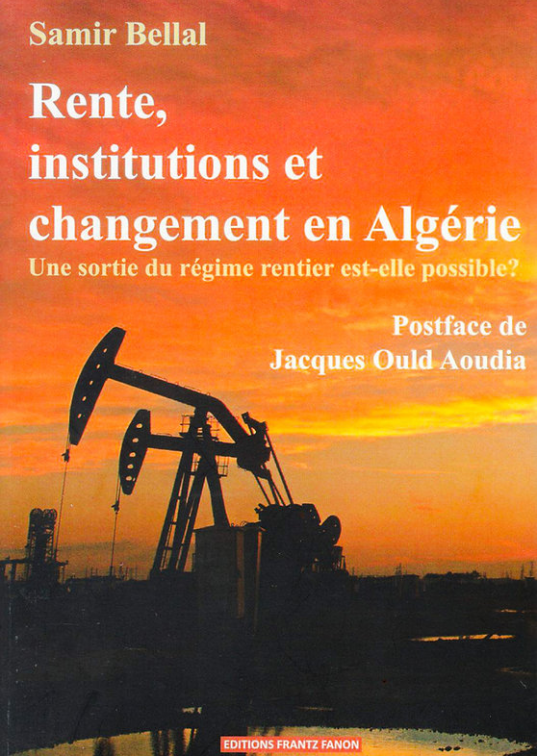
MECAM is pleased to announce a new monograph by Prof. Samir Bellal, MECAM Fellow 2024-25. His book titled Rente, institutions et changement en Algérie. Une sortie du régime rentier est-elle possible ? has been published with Éditions Frantz Fanon.
This book analyses Algeria’s rentier system in an innovative way drawing on institutional theory. Political choices have entrenched formal and informal institutions that block the emergence of an efficient market economy. As Bellal sheds light on the logic underpinning the Algerian rentier system, he shows how difficult it is to advance the economy’s necessary transformation.
For more details, check the book.
Humor and power in Algeria, 1920 to 2021
MECAM fellow 2025, Muriam Haleh Davis published a book-review titled “Humor and power in Algeria, 1920 to 2021”, featured in The Journal of North African Studies.
In this review, Muriam Haleh Davis discusses Elizabeth Perego’s “Humor and Power in Algeria, 1920 to 2021”, which examines how humor has shaped political power, national identity, and social change in Algeria from the colonial period to the Hirak protests. She highlights Perego’s argument that humor is not simply a form of resistance but can both challenge and reinforce dominant political narratives.
For more details, check the article.
(Not) On the Map: Story-Mapping Uncertainties in Syrians’ Displacement Between Syria and Tunisia
MECAM 2021 fellow, Ann-Christin Zuntz published a new article titled “(Not) On the Map: Story-Mapping Uncertainties in Syrians’ Displacement Between Syria and Tunisia”, featured in Antipode.
The article follows the journeys of two Syrians who reached Tunisia through very different and often indirect routes. By mapping their movements, the authors show how displaced Syrians in Tunisia adapt to changing border controls, visa restrictions, and personal circumstances, often taking detours or using different legal identities to continue their journeys. The authors argue that these complex experiences are overlooked in conventional migration maps, which tend to portray displaced persons’ movements as straightforward and linear.
For more details, check the article.
New Article Published by MECAM Fellow Max Ajl
MECAM is pleased to share a new publication by our fellow, Max Ajl, titled Green Funhouses: A Critique of the Critique of Eco-Modernism.
Published In: Journal of Labor and Society, Vol. 28, Is. 4, pp. 588-612.
Summary: This paper critiques two dominant strands of contemporary core green thought—Northern eco-modernism and degrowth/post-development—arguing that they form a mirrored and constricting dichotomy. The author contends that despite their apparent opposition, both perspectives share critical blind spots: they reject a global class analysis, dismiss the imperative of sovereign industrialization and national liberation in the periphery, and fail to adequately engage with the sociological reality of imperialism. Consequently, they obscure an alternative historical tradition of Third World Marxist thought that did not reject modernity or development, but instead advocated for a bespoke, sovereign path combining technology, basic needs, ecology, and anti-imperialism.
For further details: Read it here
New Article by MECAM Fellow Max Ajl
MECAM is pleased to share a new publication by our fellow, Max Ajl titled Syrian Debates.
Published In: Middle East Critique, Vol. 34, Is. 4, pp. 569-580.
Summary: This editorial analyzes how the question of imperialism is sidelined in academic studies dedicated to the Middle East, focusing specifically on the case of Syria. The author explores the “mis-creation” of the war in Syria as an object of knowledge in popular and academic production, contrasting it with the documented reality of what occurred between 2006 and 2024. By revisiting older debates surrounding Syria, the piece demonstrates how state collapse and the destruction of sovereignty constitute key aims of US imperialism, while highlighting the political and academic mechanisms used to obscure regional dynamics of imperialism and resistance.
For further details: Read it here
New Article Published by MECAM Alumni Fellow Fabrizio Leonardo Cuccu
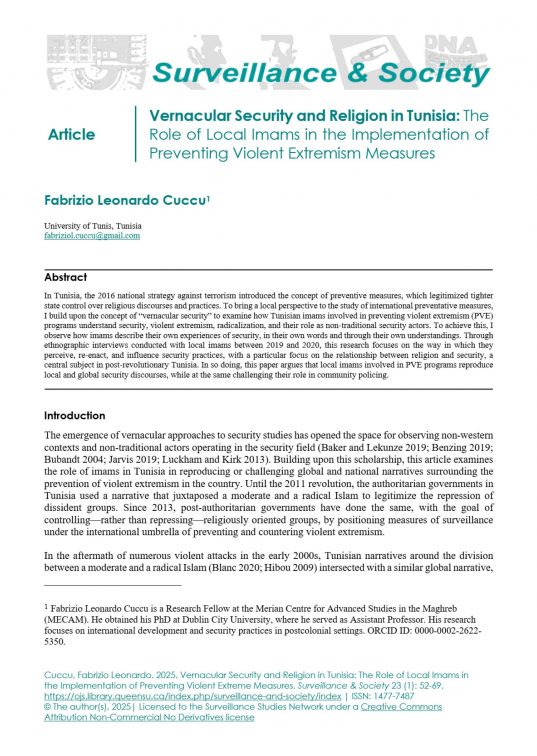
MECAM is pleased to share a new publication by our alumni fellow, Fabrizio Leonardo Cuccu, titled Vernacular Security and Religion in Tunisia: The Role of Local Imams in the Implementation of Preventing Violent Extreme Measures.
Published In: Surveillance & Society, Vol. 23, Is. 1, pp. 52-69.
Summary: This article investigates the local implementation of preventing violent extremism (PVE) policies in Tunisia, focusing closely on the intersection of religion, community space, and security governance. The study examines how global and state-level security frameworks are translated onto the ground, looking specifically at the evolving role of local imams as key actors within these mechanisms. By exploring the concept of “vernacular security,” the author uncovers how everyday religious practices and institutional discourses are reshaped under the pressures of modern surveillance and state-directed counter-extremism agendas.
For further details: Read it here
New Article by MECAM Fellow Max Ajl
MECAM is pleased to share a new publication by our fellow, Dr. Max Ajl titled Iran: Reflections on War, Peoples, and Regimes Published In: Middle East Critique Vol. 34, Is. 4, pp. 889-894 (Part of the special collection: War on Iran: Understanding What Is Being Attacked and Why It Endures).
Summary This essay examines the recent armed conflict between Iran and the US–Israel alliance through two main lenses. First, it analyzes how Iran’s geopolitical stance helps define and challenge the current global system. Second, it critiques how Western academia discusses the Iranian state. The author argues that instead of a simple disagreement, the Western political left is divided into two distinct groups: an anti-imperialist left that supports national liberation, and a nominal anti-war left whose rhetoric inadvertently helps facilitate the destruction of the Iranian state.
For further details: Read it here
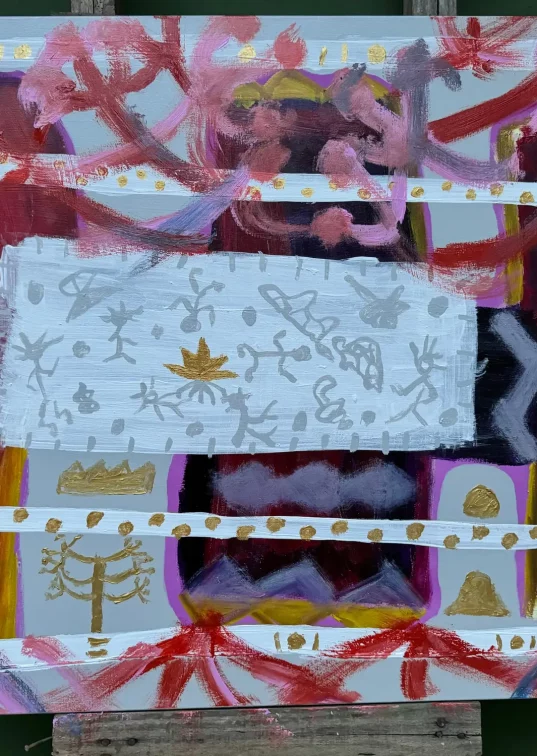
New Essay Published by MECAM Fellow Sanabel Abdel Rahman
MECAM is pleased to share a new publication by our fellow, Sanabel Abdel Rahman, titled Zág Trees, Forest Spirits, and the Settlers: A Conversation with Xokleng Kin.
Published In: NO NIIN Magazine, Issue 29 (April 2025).
Summary: This essay reflects on a profound cross-solidarity encounter between the author, a Palestinian researcher, and an Indigenous Xokleng couple (Isabel and Carl Gakran) in Santa Catarina, Brazil, who are working to resurrect the sacred, endangered Zág tree (Araucaria). Drawing powerful parallels between the environmental destruction and state-enforced containment experienced by the Xokleng people and the settler-colonial apparatus in Palestine, the piece explores the interconnected global struggles for Indigenous climate justice, sovereignty, and ecological memory against systematic tools of subjugation.
For further details: Read it here
New Book Published by MECAM Alumni Fellow Fabrizio Leonardo Cuccu
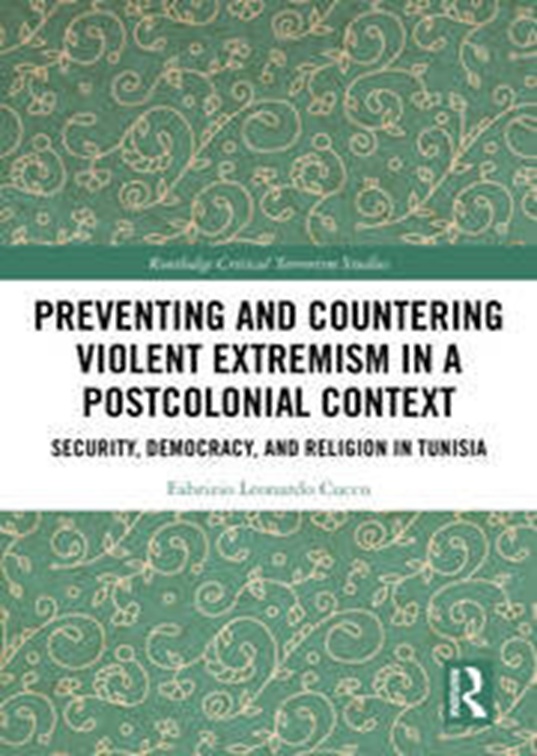
MECAM is pleased to share a new publication by our alumni fellow, Fabrizio Leonardo Cuccu, titled Preventing and Countering Violent Extremism in a Postcolonial Context: Security, Democracy, and Religion in Tunisia.
Published In: Routledge (Part of the book series: Routledge Critical Terrorism Studies), 1st Edition, 156 Pages.
Summary: This book examines how global policies designed to prevent extremism have shaped religious and security governance in post-2011 Tunisia, focusing specifically on local training programs for imams. Tracing security measures from the colonial era to the present, the author demonstrates how transnational counter-extremism frameworks are not “neutral” but are instead strategically utilized by state institutions to reinforce control over religion and justify increased surveillance. Through interviews with religious leaders and civil society organizations, the study sheds light on the evolving role of imams as security actors and highlights how modern security agendas frequently echo colonial-era policing.
For further details: Read it here
New Article Published by MECAM Fellow Cyrine Kortas
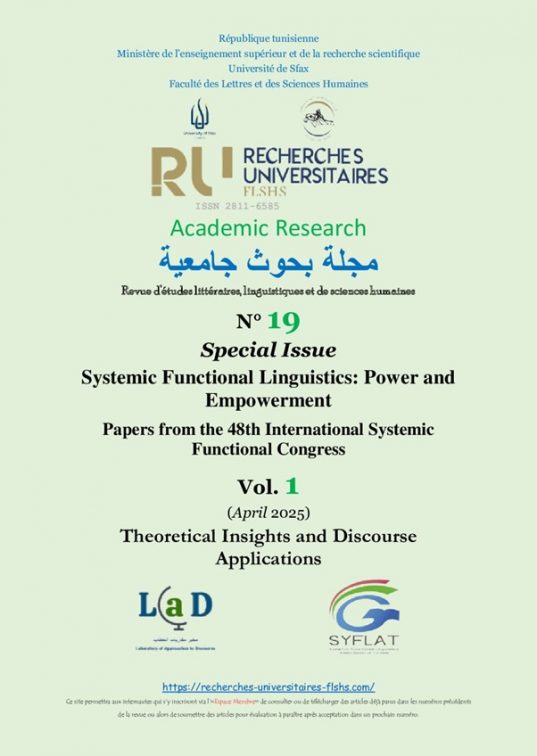
MECAM is pleased to share a new publication by our fellow, Cyrine Kortas, titled “The woman who rode away”: A Transitivity reading that matches the Sufi understanding of the circles of the inner self’s journey in time and space.
Published In: Recherches Universitaires (Scientific journal of the Faculty of Letters and Humanities of Sfax), Issue 19.1.
Summary: This article offers a fresh, comparative analysis of D.H. Lawrence’s short story The Woman Who Rode Away by integrating Systemic Functional Linguistics (SFL) with Sufi mysticism. Utilizing the framework of Systemic Functional Grammar and the UAM CorpusTool, the study analyzes transitivity patterns within the text to reveal a clear dominance of mental processes over physical ones. The author demonstrates that the protagonist’s journey transcends a classical Western voyage; instead, Lawrence’s spiritual and mystical narrative style closely mirrors a Sufi experience of inner ascendance, depicting a woman’s deep psychological quest for identity, self-discovery, and liberation.
L’amazighité et le droit dans l’Algérie post-indépendante: entre négation, répression et constitutionnalisation
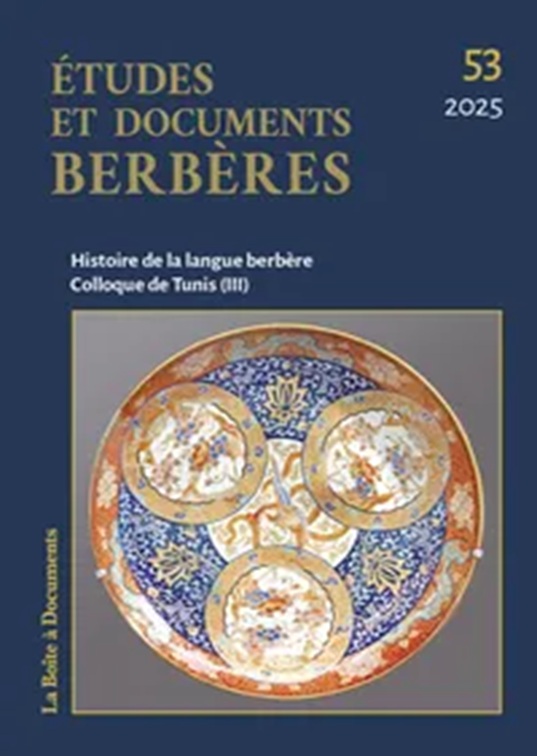
MECAM long-term fellow, Massensen Cherbi published a new article titled “L’amazighité et le droit dans l’Algérie post-indépendante: entre négation, répression et constitutionnalisation”, featured in Études et Documents Berbères.
For a long time after independence, Amazigh identity was sidelined and even suppressed in Algeria, but over the years it has steadily gained legal and constitutional recognition, with Tamazight finally becoming an official language in 2016. This change has produced a substantial legal framework that challenges the country’s dominant Arab-Islamic orientation. However, Tamazight remains only marginally present in institutions and schools.
For more details, check the article.
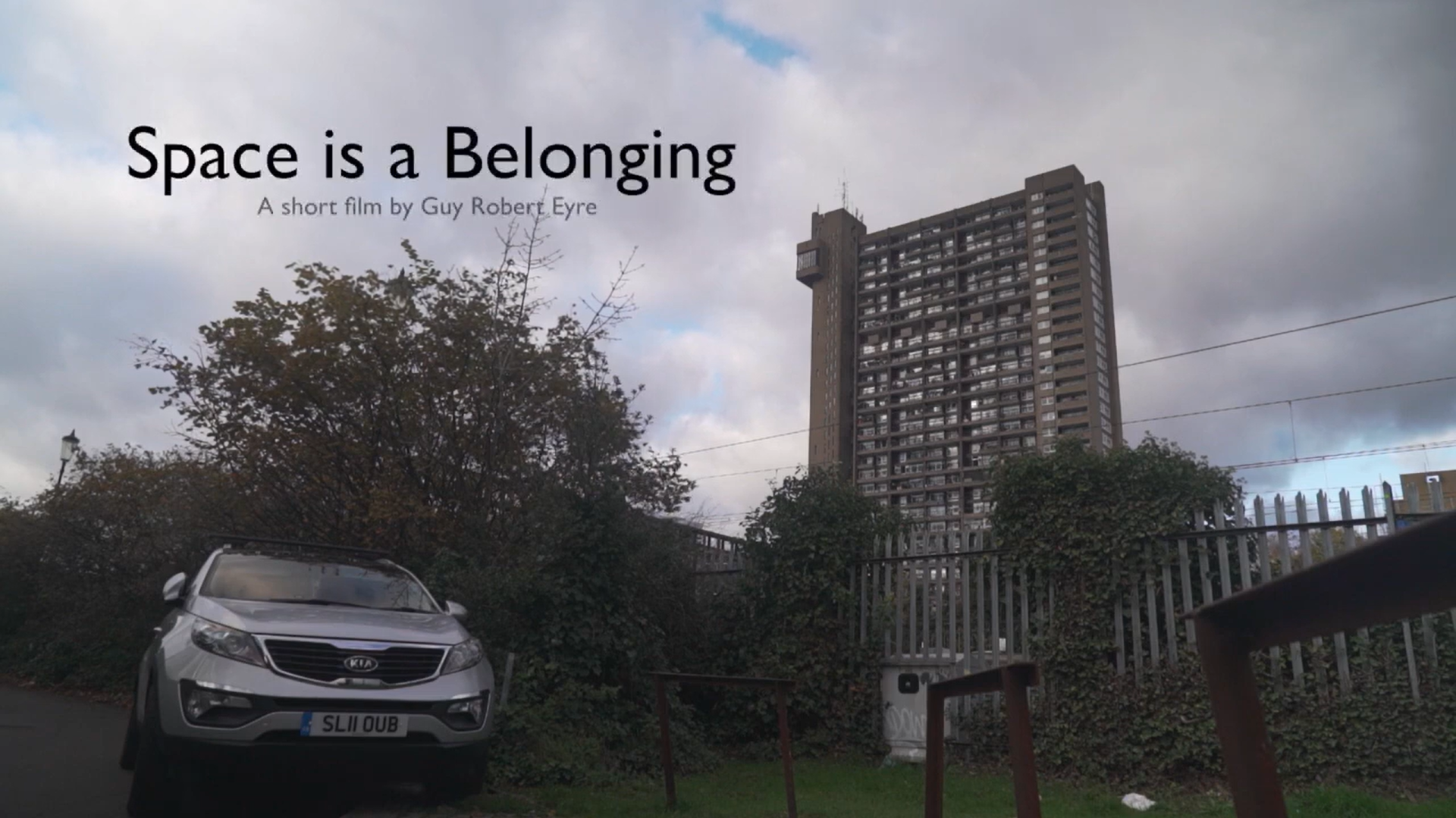
“Space is a Belonging” by Dr. Guy Eyre – Second film project in the context of the IFG “Identities and Beliefs” concluded
Following the first film produced in the context of a workshop of MECAM’s IFG V on “Identities and Beliefs” in 2022, “The UGEMA in Tunis” by Dr. Elizabeth Bishop, we are delighted to announce a second film entitled “Space is a Belonging”, directed by Dr. Guy Eyre. à Watch it here:
Dr. Guy Eyre describes the genesis and central ideas of his film as follows:
“During my 2022 fellowship with MECAMs Interdisciplinary Fellow Group on Identities and Beliefs, my group leaders, particularly Dr. Alyssa Miller, encouraged me to experiment with film as a way of exploring questions central to my research. Supported financially by MECAM and the German Federal Ministry of Research, Technology and Space, and developed under the mentorship of Tunisian filmmaker Sarra Abidi, this work first took shape as a short, rough-and-ready documentary exploring the relationship between social space and identity among British-Moroccan communities on Golborne Road in west London. Though I had no prior experience working with audio-visual media, the project opened up new ways of examining how everyday spaces and practices shape belonging and social life.
Between 2023 and 2026, support from the UKRI ESRC, the Gerda Henkel Foundation, and the Alwaleed Centre at the University of Edinburgh made possible a substantial expansion of the project. Working in collaboration with ITV News editor George Coote and Souad Talsi MBE, founder of the Al Hasaniya Centre, I conducted new interviews and filmed extensively across Golborne Road’s shops, cafés, charities, religious centres, and street life. Edited by Jamie Yuan, the resulting 17-minute film offers a richer and more fine-grained exploration of how histories of migration, neo-liberalised gentrification and governance, and the legacy of the 2017 Grenfell disaster have affected the lived experiences, religious, national, and political identities, and forms of grassroots activism of British-Moroccans in contemporary west London. Available to stream here, it presents an intimate portrait of community building and dispersal, and of resistance in a fast-changing urban landscape.”
Link to the film “Space is a Belonging” by Dr. Guy Eyre: Click here.
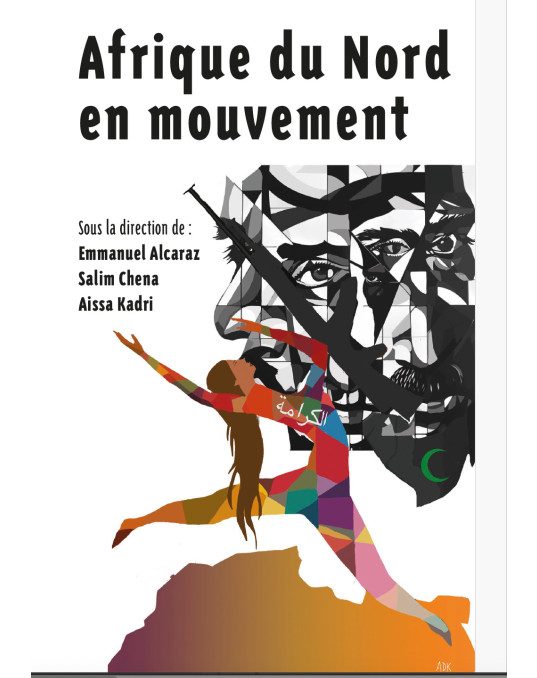
New Publication | MECAM is pleased to announce the publication of a new chapter by its fellow Massensen Cherbi in a collective volume dedicated to political dynamics in North Africa
Massensen Cherbi, “The Algerian Hirak: From the Military High Command’s Rejection of Democratic Transition to the Judicial Repression of the Movement,” in North Africa in Motion: Between Popular Mobilisations and Authoritarian Restorations, edited by Emmanuel Alcaraz, Salim Chena, and Aïssa Kadri, Paris, Le Croquant, December 2025, pp. 403–452.
This approximately 50-page chapter synthesizes and further develops Massensen Cherbi’s research on the Algerian Hirak
Access the Publication, Click here.
New Publication | MECAM Fellow Yazid Benhadda Co-Edits Special Issue on Moroccan History
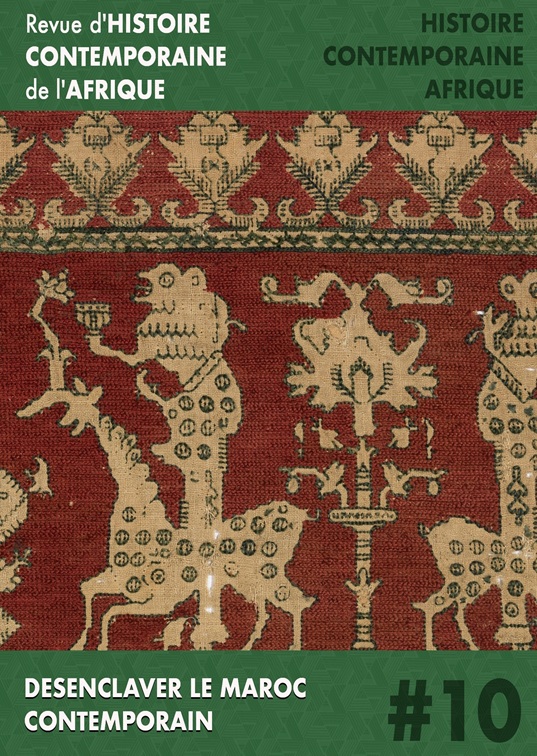
We are pleased to announce the publication of Issue No. 10 (2026) of the Revue d’Histoire Contemporaine de l’Afrique (RHCA), published on March 2, 2026, and titled:
“Unlocking Morocco: A History of Circulations To and From Contemporary Morocco (19th–21st Centuries)”
The issue is coordinated by Yazid Benhadda (MECAM, University of Tunis), Benjamin Badier (Université Bretagne-Sud), Abdelmounaïm Fanidi (École des Hautes Études en Sciences Sociales), Othmane Mouyyah (Université Libre de Bruxelles), and Soufiane Taïf (Université Paris 1 Panthéon-Sorbonne). Editorial coordination at RHCA was carried out by Anaïs Angelo and Camille Evrard.
About the Issue
Morocco is still too often perceived as a country apart , one that has succeeded in building a unique identity by shielding itself from the rest of the world behind its borders. This cliché of “enclavement,” sustained by readings that are alternately colonial and nationalist, continues to weigh on the historiography of contemporary Morocco, which is marked by a certain isolation from the recent historiographical and methodological debates running through the discipline.
This thematic issue seeks to contribute to the “de-enclavement” of contemporary Moroccan history by approaching Morocco as an open field of research. It brings together situated studies ,conducted in Morocco and elsewhere , that reconstruct the multiple circulations, inward and outward, linking the country to the rest of the world between the 19th and 21st centuries. Without overstating these connections, the contributions question the primacy of the national framework as the main scale of analysis. They illustrate how people, ideas, and objects navigate various constraints , whether geographical or political, colonial or postcolonial, economic or cultural ; and how these circulations have shaped contemporary Morocco.
Illustration
The issue features an 18th-century Moroccan embroidery from the Azemmour region, whose stylistic motifs closely resemble those found in embroideries from Assisi (Italy) and Spain. Band (Morocco); linen and silk; H x W: 187 x 24 cm (6 ft. 1 5/8 in. × 9 7/16 in.); 1954-108-1. Collection Cooper Hewitt, Smithsonian Design Museum.
Access the Publication, Click here.
Le FLN, entre islam et laïcité (1962-1963)
MECAM long-term fellow, Massensen Cherbi published a new article titled “Le FLN, entre islam et laïcité (1962-1963)”, featured in Le Religieux, gardien des institutions et des libertés.
When Algeria gained independence, the FLN was deeply divided between those who supported a secular state and those who wanted Islam to be recognised as the state religion. The 1963 Constitution opted for a compromise by declaring Islam the religion of the state without introducing sharia law, while gradually allowing legal rules inspired by Islam to develop. This ambiguous choice created lasting tensions with the principle of equality, particularly regarding the status of women and the place of non-Muslims.
For more details, check the article.
Sascha Ruppert-Karakas: Die Politik des Antagonismus. Zur Dynamik autoritärer Lebenswelt in Assads Syrien
MECAM team member, Benjamin Heidrich published a book-review titled “Sascha Ruppert-Karakas: Die Politik des Antagonismus. Zur Dynamik autoritärer Lebenswelt in Assads Syrien”, featured in Portal für Politikwissenschaft.
In this review, Benjamin Heidrich discusses Sascha Ruppert-Karakas’ monograph “Die Politik des Antagonismus. Zur Dynamik autoritärer Lebenswelt in Assads Syrien” which offers a discourse-analytical examination of the inner logic of the Assad regime. The book argues that the durability of Hafiz and Bashar al-Assad’s rule rested on the construction of friend–enemy narratives, the strategic manipulation of fear, and the institutionalization of antagonistic thinking. Heidrich presents the study as a theoretically grounded and empirically rich explanation of the regime’s persistence and brutality.
For more details, check the review.
New publication by MECAM Fellow Cyrine Kortas
Cultural Cinematics and Bollywood
By Cyrine Kortas & Ajit Kumar
This book explores Bollywood films beyond entertainment, highlighting their role in promoting India’s soft power. It examines how Bollywood conveys cultural identity, resonates with global audiences, and creates bridges between nations, particularly influencing perceptions in the Global South. Our fellow Cyrine Kortas is a co-author of this work.
New publication by MECAM Fellow Souhir Zekri
Stay: The Trauma of Pregnancy Loss
Survive & Thrive: A Journal for Medical Humanities and Narrative as Medicine, vol. 10, no. 2, 2025
This work blends prose and poetry to explore experiences of perinatal loss, with a focus on mother- and woman-centered perspectives. It also reflects on the role of language and medical terminology in narrating and understanding these experiences.
New publication by MECAM Fellow Imene Gannouni Khemiri
The Making of ‘Migration Crisis’: Representing Sub-Saharan Migrants in Tunisian Online Media Outlets
Crossings: Journal of Migration & Culture, vol. 16, nos 1–2, 2025
This article examines the discursive strategies used by Tunisian online media to represent sub-Saharan migrants. Drawing on postcolonial discourse analysis, the study shows how these representations contribute to processes of Othering based on racialization, illegality, and criminalization, while also identifying counter-discourses that challenge such narratives.
New publication by MECAM Fellow Cyrine Kortas
Contextual Confluence: Media, Text and Traditions
Edited by Elisabetta Marino & Ajit Kumar
Cambridge Scholars Publishing
This edited volume examines the intersections of media, literature, and culture, focusing on mutuality, transformation, and subtextuality. It explores Black feminist ethics, postcolonial female visibility, and ecological reimaginings, highlighting literature as a living archive of resistance and reinvention. Our fellow Cyrine Kortas contributes a chapter to this volume.
New Publications by Prof. Dr. Rachid Ouaïssa
We are pleased to share four recent publications by Prof. Dr. Rachid Ouaïssa, MECAM’s Spokesman for the Consortium and former MECAM Director. These works contribute significantly to the ongoing discourse on rentier economies, sustainability, and political economy in the Maghreb and Middle East.
Latest Work:
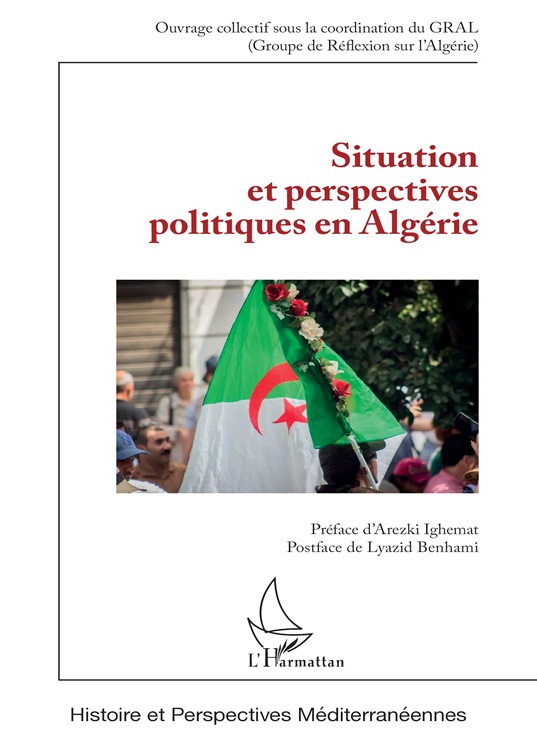
- Ouaïssa, Rachid (2025) : Algérie et le problème de la rente. In: GRAL (dir.), Situation et perspectives politiques en Algérie. Paris: L’Harmattan, p. 95–118.
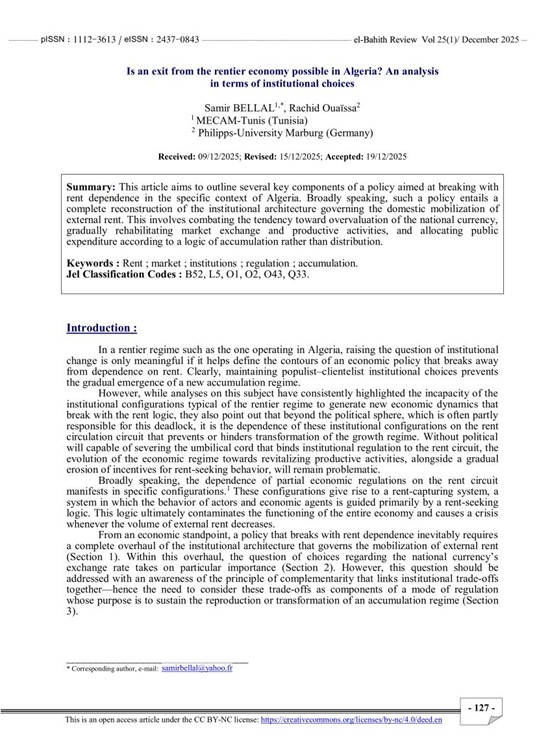
- Ouaïssa, Rachid / Bellal, S. (2025): Is an exit from the rentier economy possible in Algeria? An analysis in terms of institutional choices. El-Bahith Review, 25(1), p. 127–140.
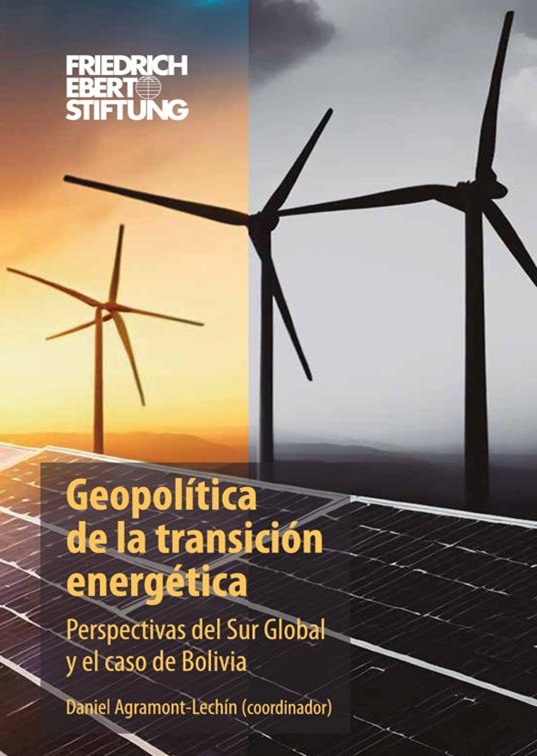
- Ouaïssa, Rachid / Warnecke-Berger, Hannes / Burchardt, Hans-Jürgen (2024) : Recursos naturales, materias primas y extractivismo: el lado oscuro de la sostenibilidad. In: Friedrich-Ebert-Stiftung en Bolivia (dir.), Geopolítica de la transición energética, p. 131–147.
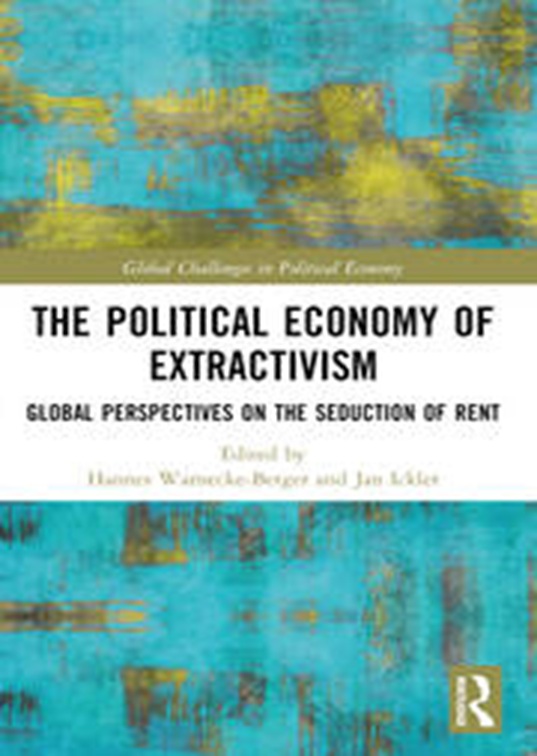
- Ouaïssa, Rachid (2024) : Rents Hinder Capitalism: The Rentier Middle Classes in the Middle East. In: Warnecke-Berger, Hannes / Ickler, Jan (eds.), The Political Economy of Extractivism. London / New York : Routledge, p. 199–214.
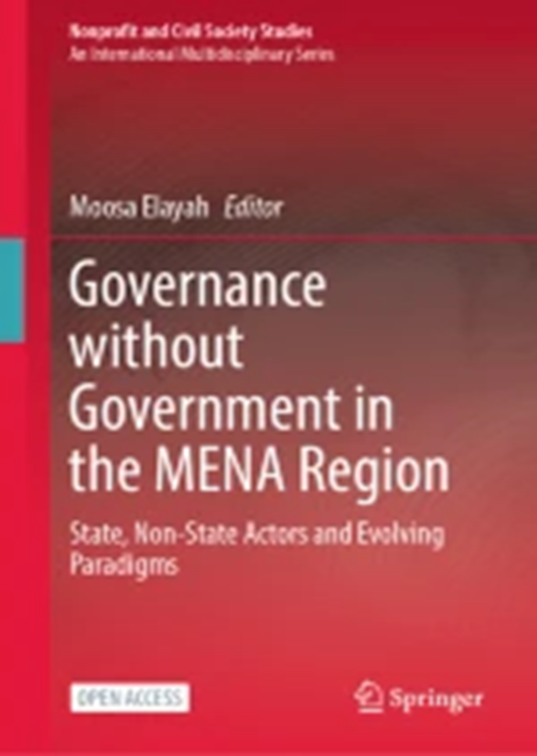
Civil Society Organizations and Peacebuilding in Libya: Reality and Challenges
MECAM 2024 fellow, Faouzia Zeraoulia published a new contribution titled “Civil Society Organizations and Peacebuilding in Libya: Reality and Challenges”, featured in Governance without Government in the MENA Region.
This chapter shows that Libyan civil society organizations (CSOs) play an important grassroots role in peacebuilding, human rights, transitional justice, and civic participation, but political fragmentation, militarization, and weak institutions limit their impact. After decades of repression under Qaddafi and rapid growth after 2011, CSOs supported humanitarian relief, mediation, women’s rights, and electoral processes, yet faced insecurity, donor dependency, restrictive laws, and selective justice. Zeraoulia concludes that sustainable peace requires legal reform, accountability, demilitarisation, and meaningful inclusion of civil society.
For more details, check the article.
Agrarian questions are central to understanding resistance to imperialist de-development –Interview with MECAM long-term fellow Max Ajl
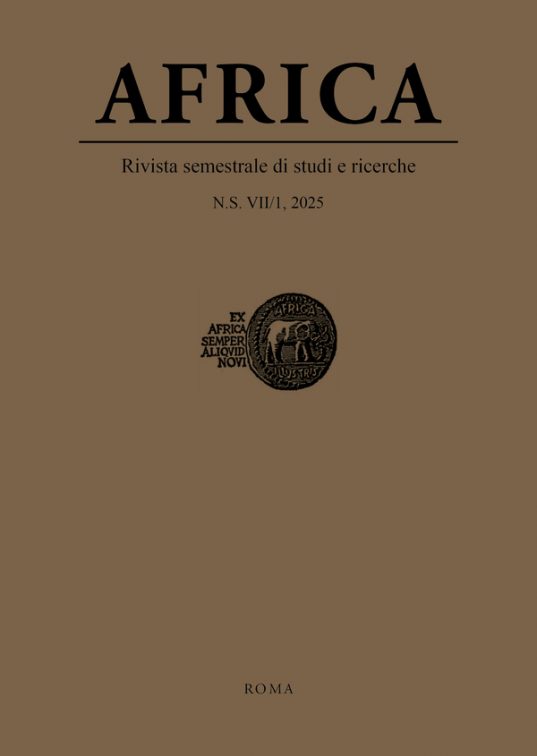
MECAM 2023 fellow, Nora Lafi published a new article titled “Women resisting colonization. Female rebels in Tunisia, Tripolitania and Fezzan: Networks, solidarity and repression (1881-1918)”, featured in Africa.
This article highlights the crucial role of women in anti-colonial resistance in Southern Tunisia, Tripolitania, and Fezzan from 1881 to 1918. Women were central to resistance networks, often as organizers, property holders, and communicators, with colonial powers targeting them due to their influence. The article also reveals their harsh repression, including exile and imprisonment, as colonisers sought to break local resistance. Lafi challenges male-centred narratives by emphasizing women’s crucial role in shaping Tunisia’s nationalist movements.
For more details, check the article.
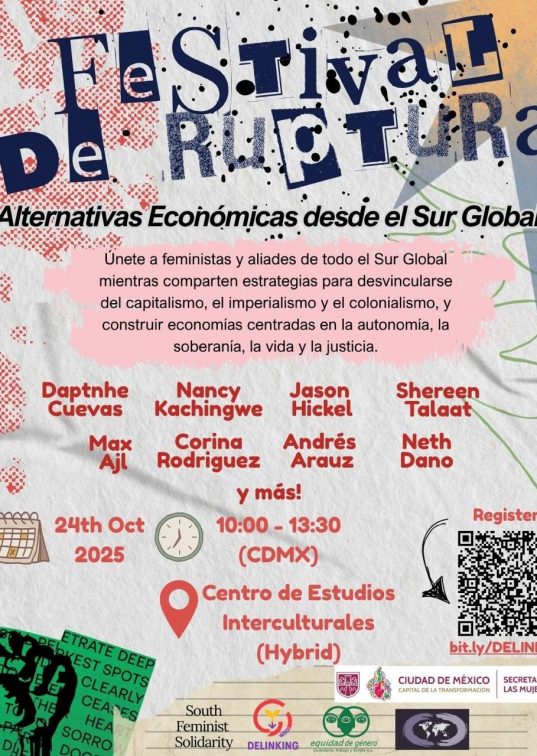
Agrarian questions are central to understanding resistance to imperialist de-development –Interview with MECAM long-term fellow Max Ajl
At the Delinking Festival – Alternative Economics from the Global South in Mexico, MECAM fellow Max Ajl gave a hybrid interview on the importance of agrarian studies in resisting imperialism and understanding the ongoing relevance of the agrarian question. He discussed the central role of peasants in political mobilization and land reform, stressing that these issues remain key to anti-systemic struggles and socialist movements.
Ajl highlighted examples like the Zapatistas in Mexico and land redistribution in Zimbabwe, showing how agrarian reform challenges imperialist structures He also discussed how the global structures of underdevelopment have fostered food dependency and emphasized that food sovereignty is key for nations trying to break free from these systems that use food as a weapon.
For more details, check the interview
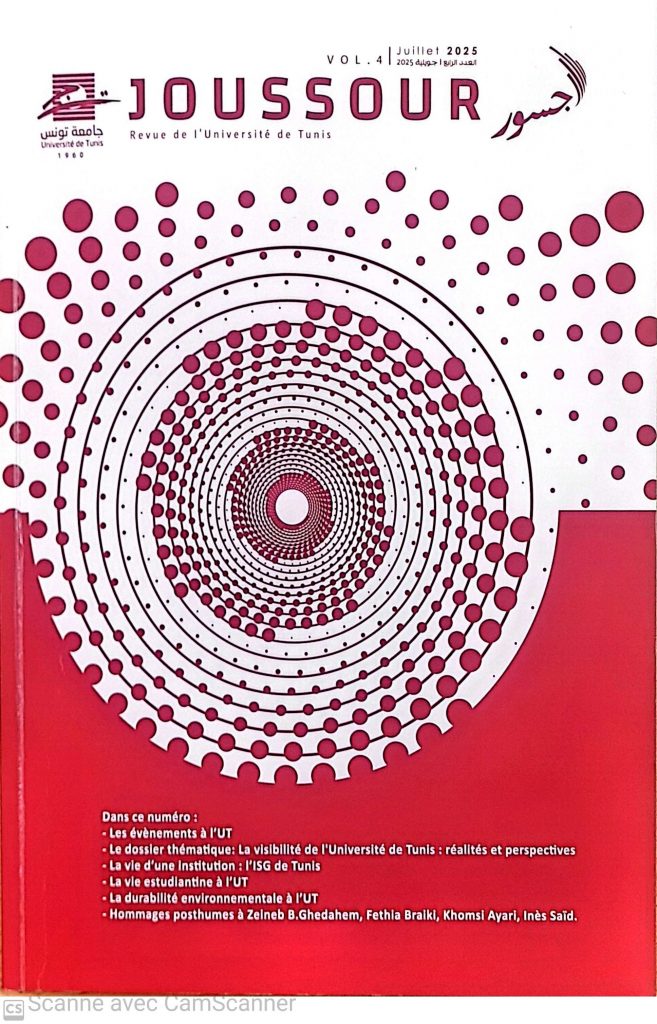
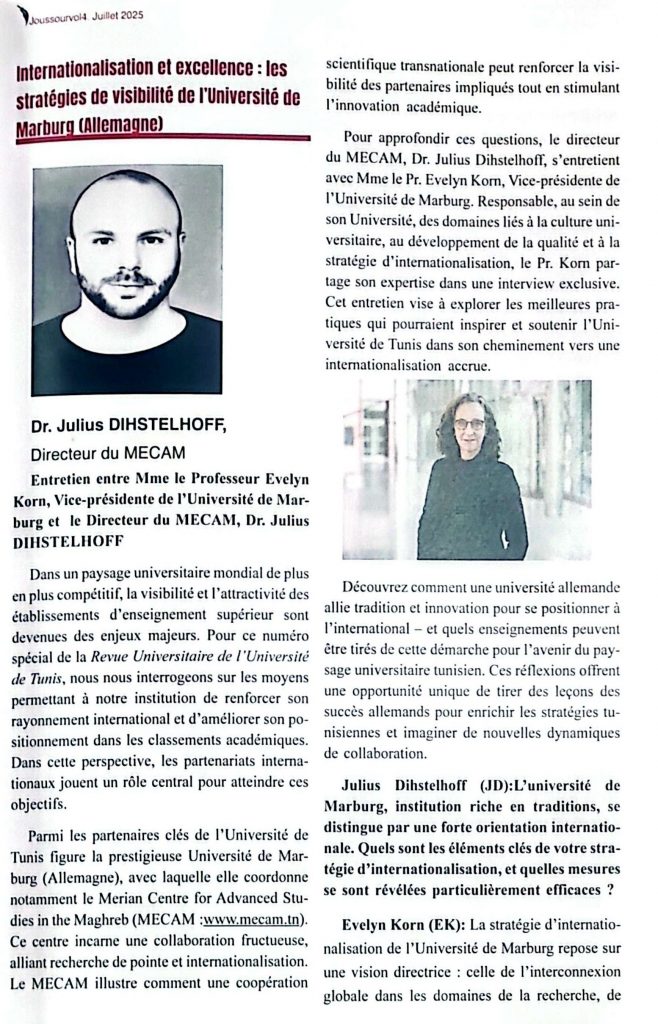
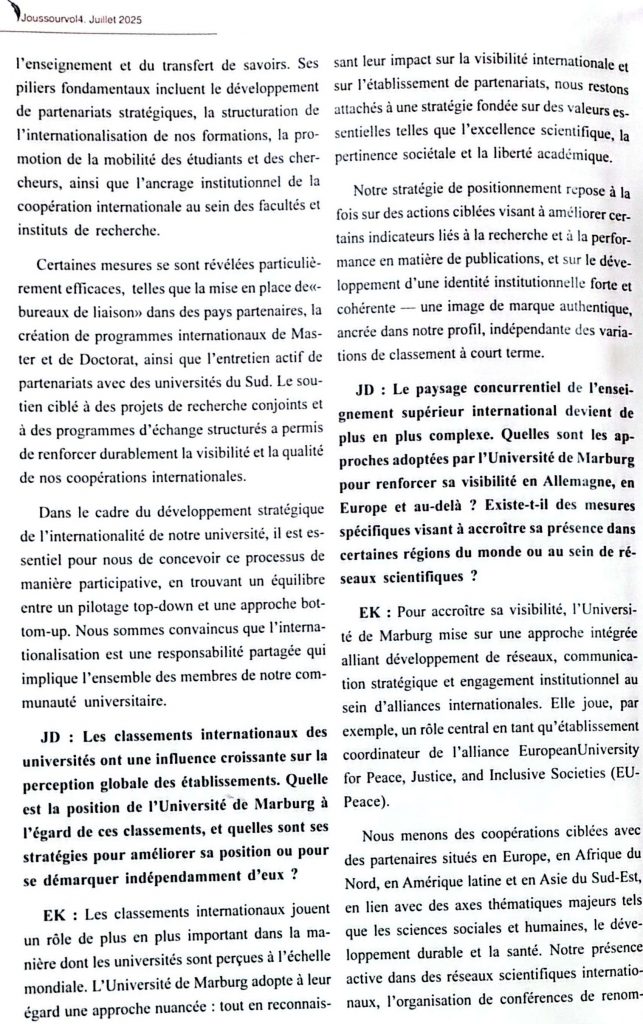
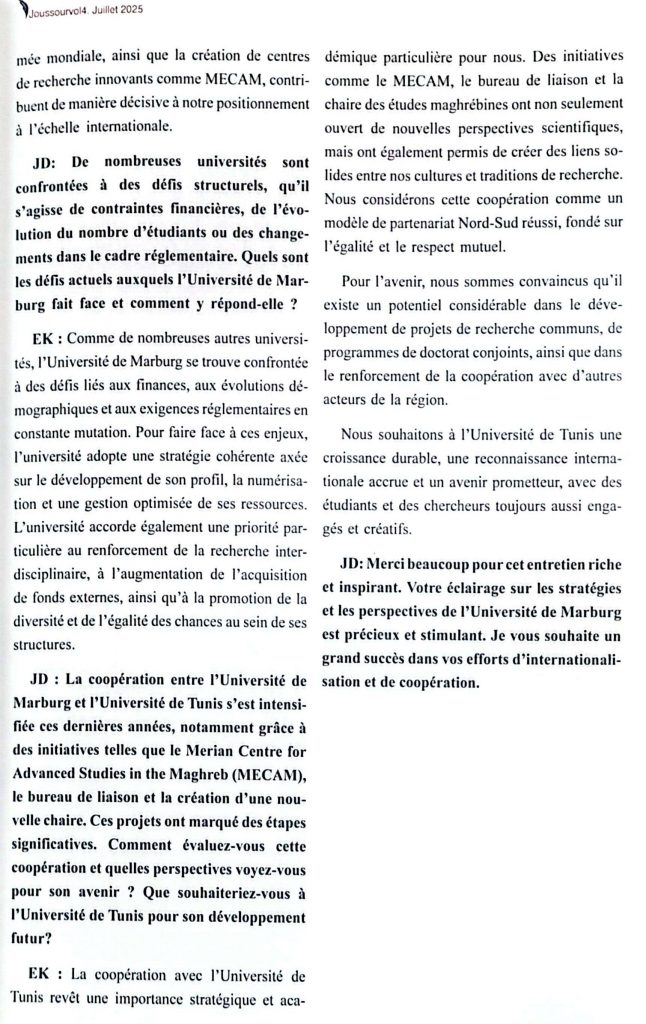
Internationalisation et excellence: les stratégies de visibilité de l’Université de Marburg (Allemagne)
In an interview recently published in la Revue Joussour de l’Université de Tunis, Vol 4, Dr. Julius Dihstelhoff, Director of MECAM, engaged in an insightful conversation with Prof. Dr. Evelyn Korn, Vice President of the Philipps-Universität Marburg, exploring strategies for advancing the internationalization of higher education institutions. As the University of Tunis works to strengthen its international profile, it seeks to benefit from the extensive experience of its German partner, particularly through their collaborative efforts within the MECAM framework.
Professor Korn highlighted the importance of partnerships with universities in the Global South, the development of international master’s and doctoral programmes, and the need for a participatory approach to internationalisation that involves all stakeholders. She also emphasised the key role of concrete initiatives such as the MECAM and the Maghreb Studies Chair, which have opened new scientific perspectives while deepening cultural and academic ties between the two universities. These initiatives contribute to enhancing the quality of research and academic publishing, and promote the establishment of interdisciplinary collaborations and joint doctoral programmes.
For more details, check the article
Le projet de Constitution du Collectif des avocats du FLN (avril 1963): le projet d’une Algérie civile, laïque et parlementaire
MECAM long-term fellow, Massensen Cherbi published a new article titled “Le projet de Constitution du Collectif des avocats du FLN (avril 1963): le projet d’une Algérie civile, laïque et parlementaire”, featured in Revue du droit public (2025).
This paper analyses how, in 1963, the FLN Lawyers’ Collective proposed a constitution for Algeria based on a parliamentary, civil, secular and liberal model, without any socialist orientation. This draft rejected presidentialism and subordinated the army to civilian authority, guaranteed individual freedoms and gender equality, and recognised Arabic-French bilingualism. Although it was set aside in favour of Ben Bella’s project, it remains a moderate and democratic alternative, rediscovered in 2024.
For more details, check the article
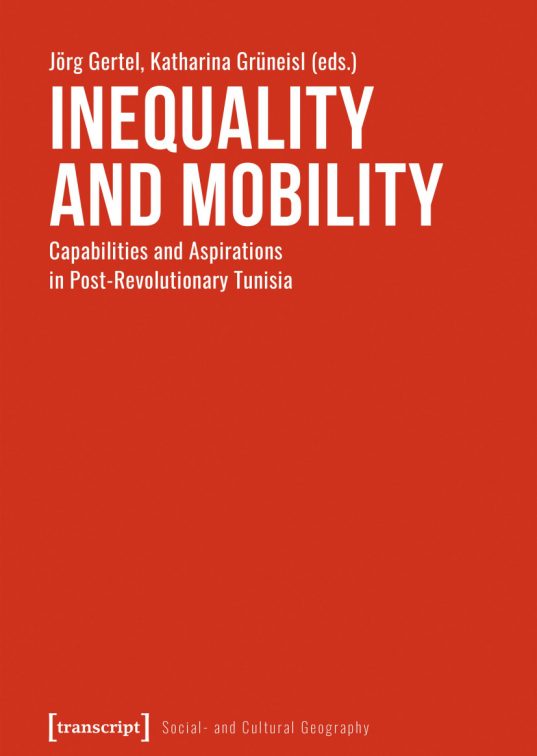
Inequality and Mobility – Capabilities and Aspirations in Post-Revolutionary Tunisia
The open-access volume Inequality and Mobility – Capabilities and Aspirations in Post-Revolutionary Tunisia, edited by Jörg Gertel and Katharina Grüneisl (transcript), is now available.
This book, which stems from MECAM’s preliminary phase, explores the complex and contested nature of mobility in Tunisia. Mobility shapes spatial movements, social positions, and discourses of the self, while many young people express a strong desire to leave the country.
The contributors investigate the meaning of capabilities and aspirations to better understand the historical processes behind their erosion, while also revealing alternative ways of imagining and shaping futures.
📖 The volume is available in open access and can be downloaded here.
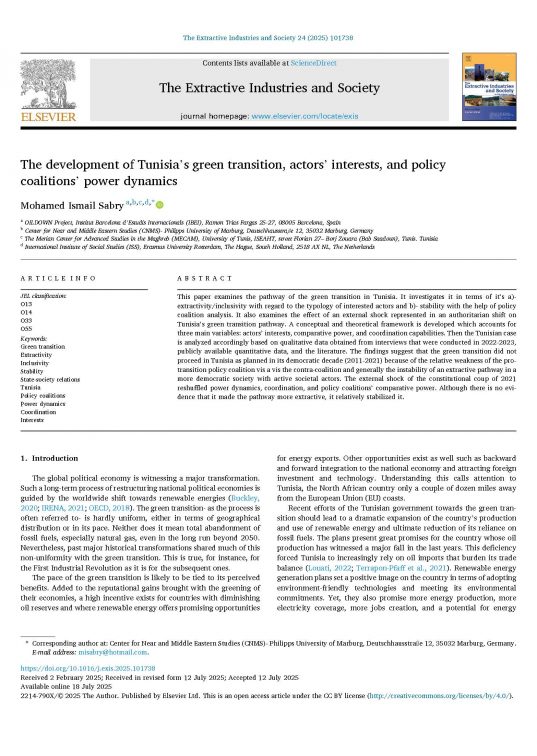
The development of Tunisia’s green transition, actors’ interests, and policy coalitions’ power dynamics
MECAM 2022 fellow, Mohamed Ismail Sabry published a new article titled “The development of Tunisia’s green transition, actors’ interests, and policy coalitions’ power dynamics”, featured in The Extractive Industries and Society (2025).
This paper analyzes Tunisia’s green transition, focusing on its inclusivity or extractivity and overall political stability. Using interviews, publicly available data, and literature, Mohamed Ismail Sabry examines how the transition evolved during the democratic period (2011–2021) and after the political shift in 2021. He argues that during the democratic decade, the transition struggled due to weak pro-transition policy coalitions and general political instability. The 2021 shift reshaped power dynamics, leading to greater stability, though not necessarily increasing extractivism.
For more details, check the article.
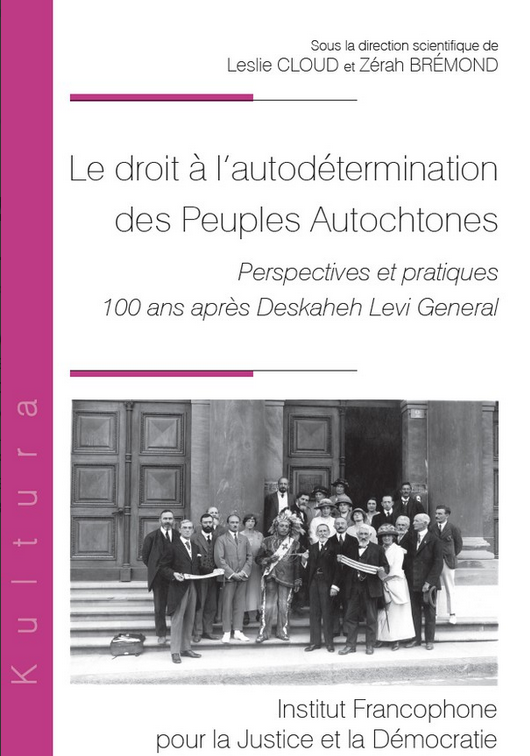
“Le “Projet de Constitution kabyle” (2022): un projet très algérien” by Massensen Cherbi
MECAM long-term fellow, Massensen Cherbi published a new article titled “Le ‘Projet de Constitution kabyle’ (2022): un projet très algérien”, featured in Le droit à l’autodétermination des Peuples Autochtones. Perspectives et pratiques 100 ans après Deskaheh Levi General (2025).
In this piece, Cherbi examines a proposed constitution for the Kabyle region that advocates for self-governance. While framed as a break from Algeria’s centralist political structure, the project paradoxically mirrors many of the authoritarian traits it seeks to reject. Drawing parallels with political shifts in Tunisia, the article reveals how oppositional or autonomous political efforts can be shaped by the very models they challenge.
Cherbi’s work also contributes to broader debates within the Amazigh movement, reflecting on the tensions between cultural pluralism, state authority, and regional aspirations.

“Gender Representation via Humor” by Najla Mosbahi
MECAM fellow Najla Mosbahi has published an article titled “Gender Representation via Humor” in Disorient.
This article explores how recent Tunisian advertising campaigns are using humor as a powerful tool to challenge traditional gender roles and promote more progressive, empowered representations of women. By creatively challenging outdated stereotypes, these ads invite audiences to rethink societal norms and embrace a more equitable future.
For more details, Check the artcile [Link].
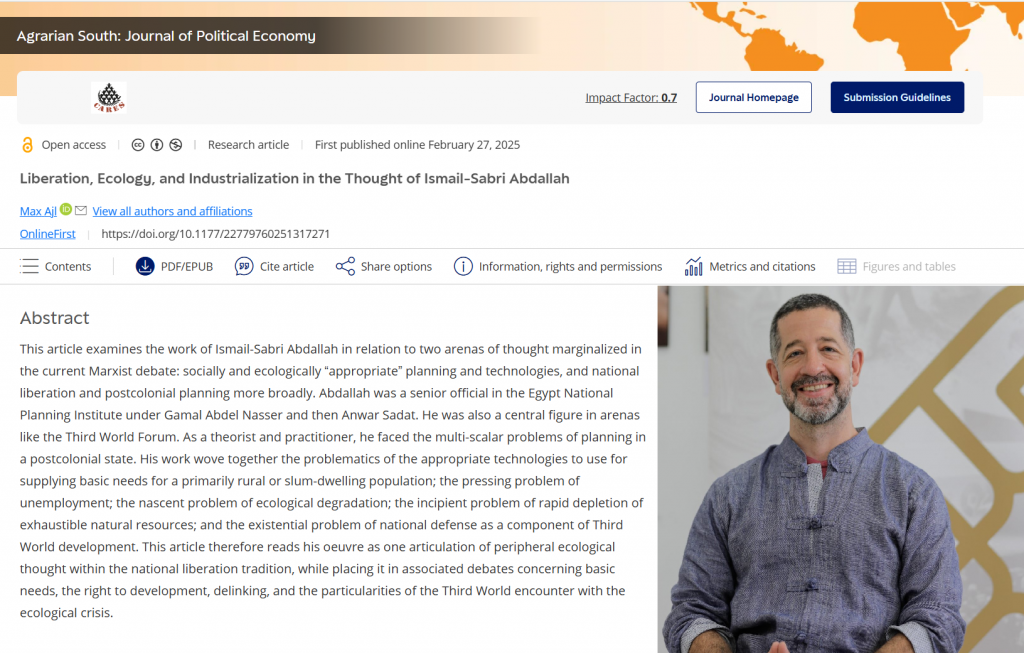
Liberation, Ecology, and Industrialization in the Thought of Ismail-Sabri Abdallah
MECAM fellow Max Ajl has published an article titled “Liberation, Ecology, and Industrialization in the Thought of Ismail-Sabri Abdallah” in Agrarian South: Journal of Political Economy.
For more details, Check the artcile [Link].
La rente et le changement institutionnel en Algérie – 5in10 avec Samir Bellal
We are pleased to share that Samir Bellal , currently a MECAM Fellow for 2024/2025 , has participated in a new 5in10 interview as part of the Imagining Futures – Dealing with Disparity series on the TRAFO – Blog for Transregional Research!
In this interview, “La rente et le changement institutionnel en Algérie“, Samir Bellal discusses his research on rentier economies and institutional change in Algeria, reflecting on themes of economic stagnation, political clientelism, and structural disparities. Through five insightful questions, he explores the challenges of economic reform, the role of institutions in shaping development, and the broader implications for Algeria’s future.
For more details, Check the artcile [Link].
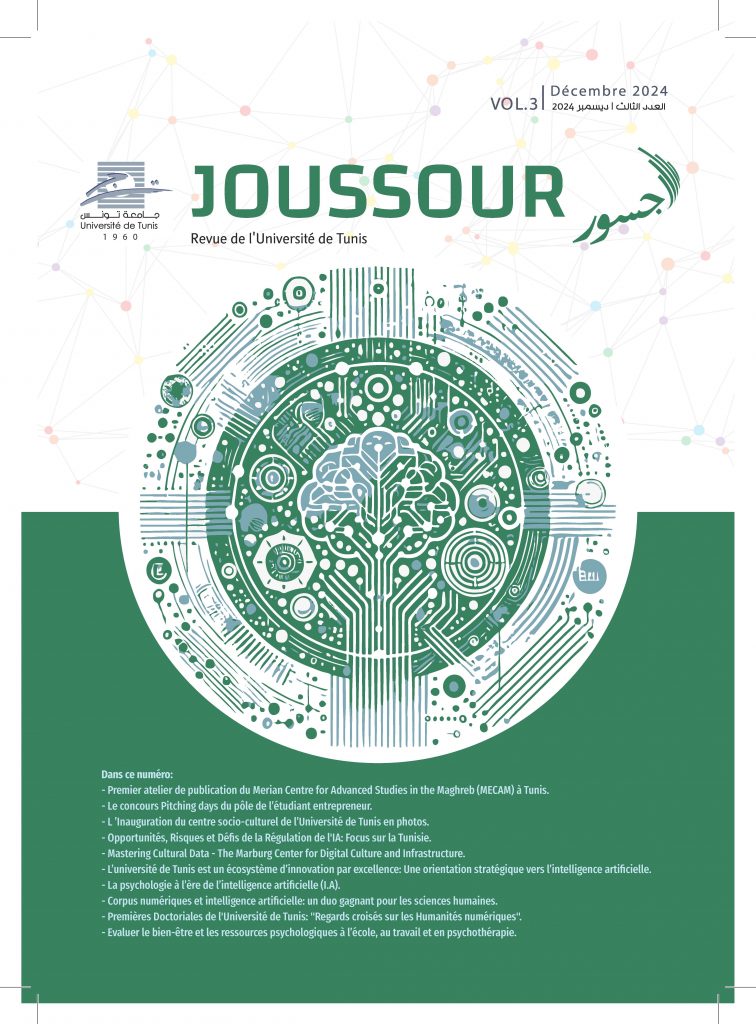
New Articles in the third issue of the University of Tunis’ journal “Joussour”:
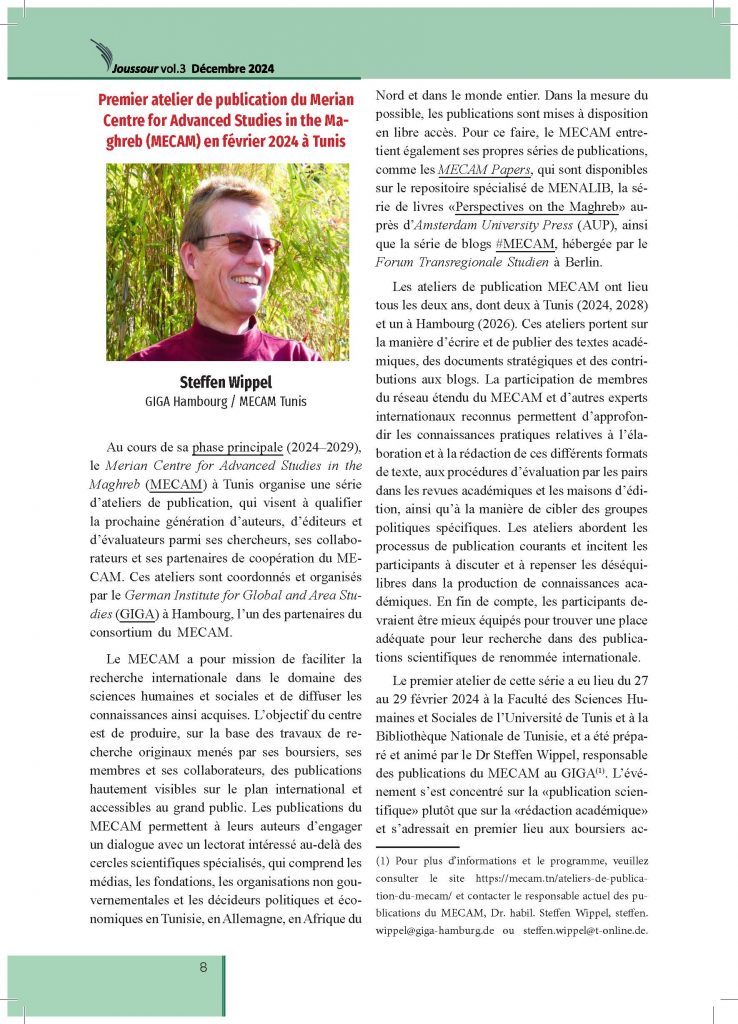
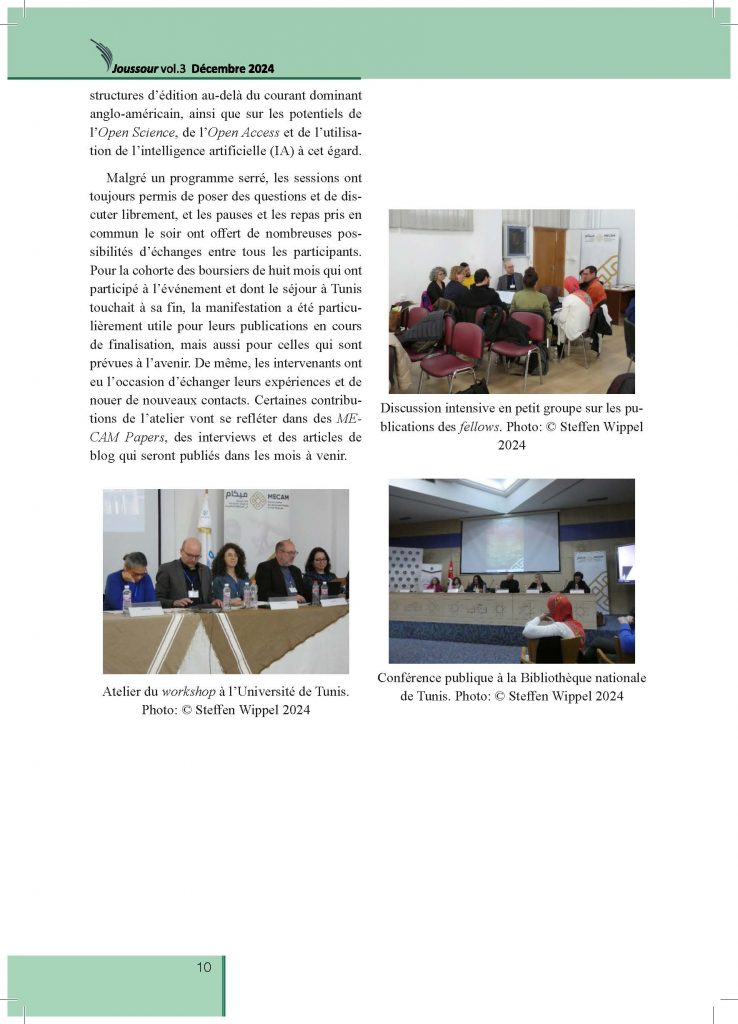
Dr. Steffen Wippel, Premier atelier de publication du Merian Centre for Advanced Studies in the Maghreb (MECAM) en Février 2024, à Tunis in la Revue Joussour de l’Université de Tunis, Vol 3 , Decembre 2024, 8-10
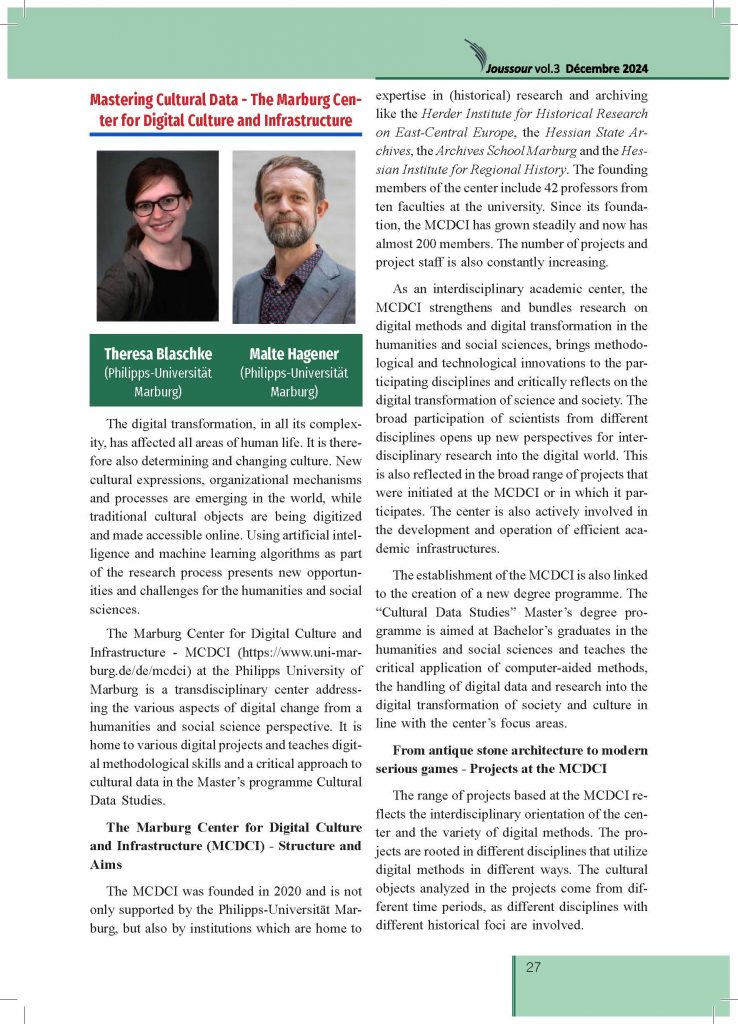
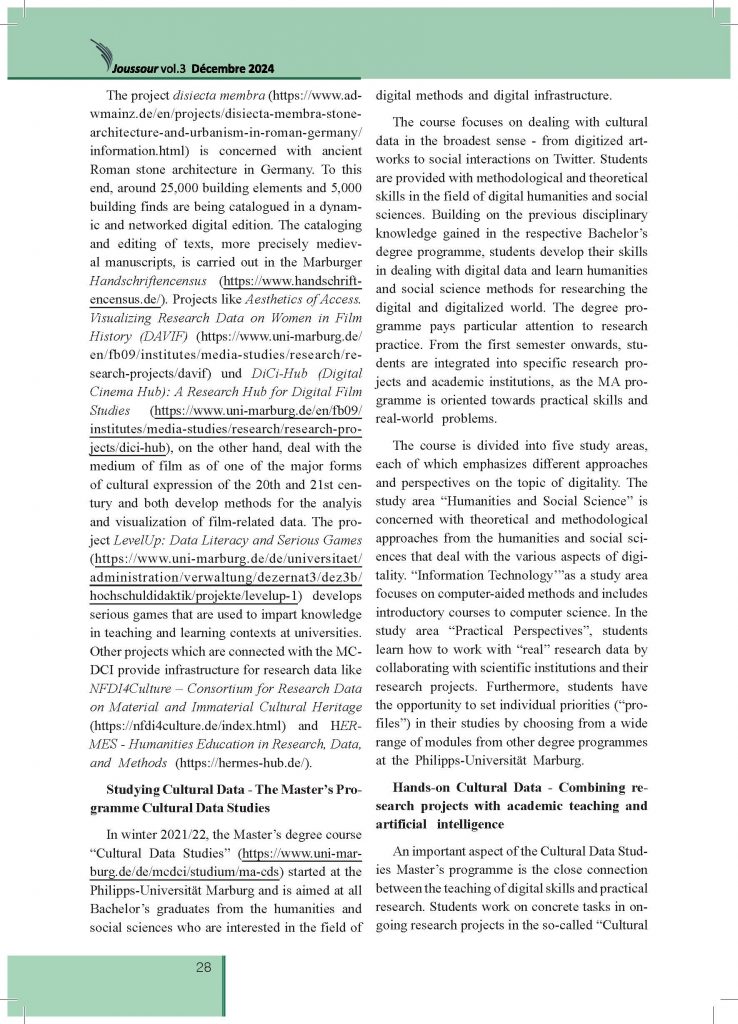
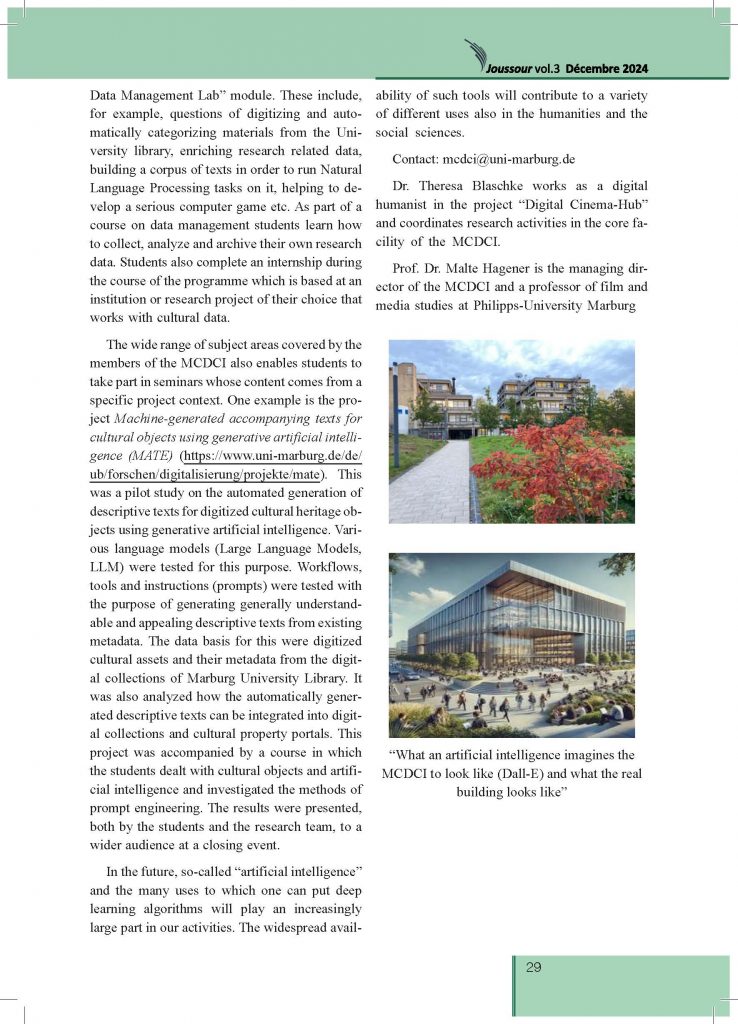
Dr.Theresa Blaschke and Prof.Dr Malte Hagener , Mastering Cultural Data – The Marburg Center for Digital Culture and Infrastructure , Tunis in la Revue Joussour de l’Université de Tunis, Vol 3 , Decembre 2024, 27- 29
MECAM is pleased to announce the publication of two articles titled Premier atelier de publication du Merian Centre for Advanced Studies in the Maghreb (MECAM) en février 2024 à Tunis and Mastering Cultural Data – The Marburg Center for Digital Culture and Infrastructure in the third issue of la Revue Joussour de l’Université de Tunis.
Premier atelier de publication du Merian Centre for Advanced Studies in the Maghreb (MECAM) en février 2024 à Tunis:
- During its main phase (2024–2029), MECAM in Tunis is organizing a series of publication workshops to train the next generation of authors, editors, and reviewers among its researchers, collaborators, and partners. Coordinated by the German Institute for Global and Area Studies (GIGA) in Hamburg, one of MECAM’s consortium partners, these workshops focus on academic publishing. The first session took place from February 27–29, 2024, at the Faculty of Humanities and Social Sciences of the University of Tunis and the National Library of Tunisia. Led by Dr. Steffen Wippel, MECAM’s publication coordinator at GIGA, the workshop emphasized “scientific publishing” over “academic writing” and was primarily aimed at MECAM’s current short- and long-term fellows, as well as alumni currently in Tunisia.
Mastering Cultural Data – The Marburg Center for Digital Culture and Infrastructure:
- In this article, Theresa Blaschke and Malte Hagener from Philipps-Universität Marburg explore the impact of digital transformation on culture while introducing the Marburg Center for Digital Culture and Infrastructure (MCDCI) at the university. They highlight the center’s initiatives, including the use of digital methods and artificial intelligence in cultural data studies. The article also presents the Master’s program in Cultural Data Studies, which merges digital skills with hands-on research in the humanities and social sciences.
For more details, download the full edition
New Book Release: Social Criticism and Resistance in Arab Contexts: Theoretical Issues and Empirical Studies
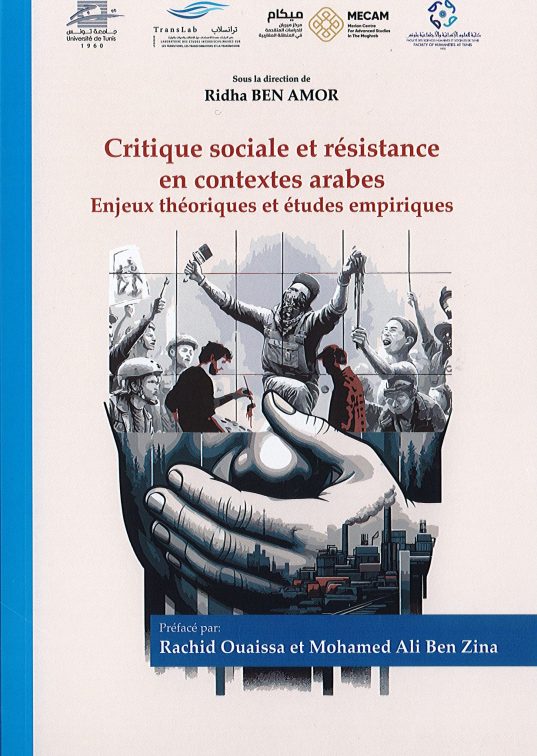
We are delighted to announce the release of the latest book edited by Ridha Ben Amor, titled Social Criticism and Resistance in Arab Contexts: Theoretical Issues and Empirical Studies [Critique sociale et résistance en contextes arabes, enjeux théoriques et études empiriques].
Ridha ben amor is a member of the Laboratoire Translab and at the Faculté des Scienes humaines et sociales (Université de Tunis). This book is the result of collaboration between:
- The Merian Center for Adavanced Studies in the Maghreb (MECAM)
- L’université de Tunis
- Laboratoire des études interdisciplinaires sur les transitions, les transformations et la transmission TransLab
- Faculté des sciences humaines et sociales de l’Université de Tunis (ISSHT)
It features an introduction by MECAM Director Rachid Ouaissa and MECAM Principal Investigator Mohamed Ali Ben Zina.
This book challenges approaches that have overlooked the “revolution” since 2011, emphasizing the ongoing dynamics shaping societies during these years. It focuses on social criticism and resistance, examining various issues from below, particularly within the Arab world, highlighting their relevance in the context of protest and opposition, despite challenges.
Stay tuned for more updates and details on how to access this publication!
The green transition in Morocco: Extractivity, inclusivity, and the stability of the social contract
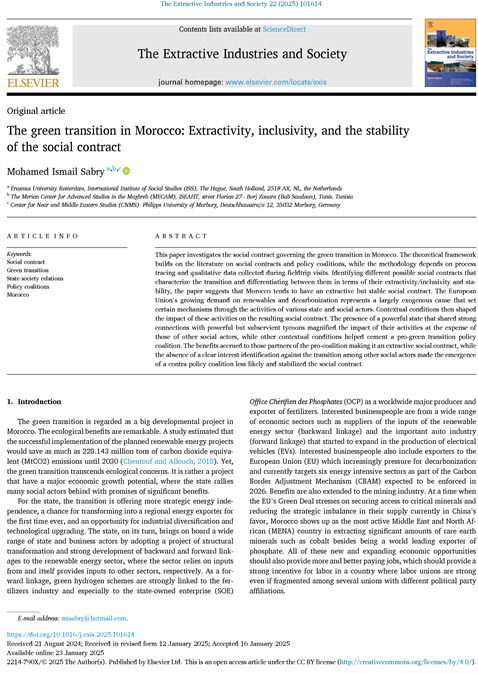
Mohamed Ismail Sabry, currently a fellow at the Merian Centre for Advanced Studies in the Maghreb (MECAM), has published a paper entitled The Green Transition in Morocco: Extractivity, inclusivity, and the stability of the social contract in The Extractive Industries and Society.
This paper investigates the social contract governing the green transition in Morocco, using a framework based on the literature on social contracts and policy coalitions and relying on process tracing and qualitative data collected during field visits. It suggests that Morocco tends to have an extractive but stable social contract, driven by the European Union’s growing demand for renewables and decarbonization, which influenced the activities of state and social actors. The presence of a powerful state connected to influential tycoons amplified their impact, while the absence of clear opposition to the transition among other social actors stabilized the social contract.
For more details, Check the artcile [Link].
MECAM presentation in la Revue Tunisienne des Sciences Sociales
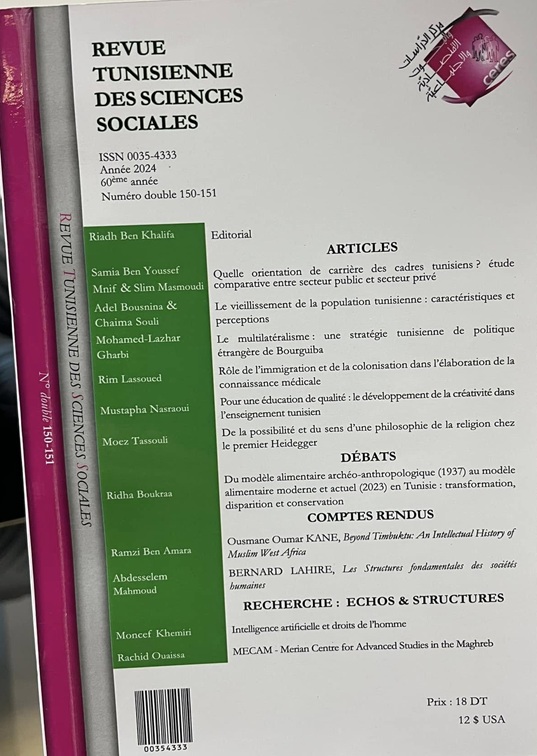
We are thrilled to share that Le Centre d’études et de recherches économiques et sociales CERES has published an article about our work as part of their latest annual edition of la Revue Tunisienne des Sciences Sociales. The article highlights our interdisciplinary research programs and our unique Tunisian-German partnership. MECAM promotes academic exchange between Tunisia, the Maghreb, and Germany while addressing disparities through its central theme, “Imagining Futures: Dealing with Disparity,” and its five key research axes.
We are truly grateful to CERES for highlighting our work and nurturing collaboration within the academic community. We eagerly anticipate the opportunity to work together again in the future.
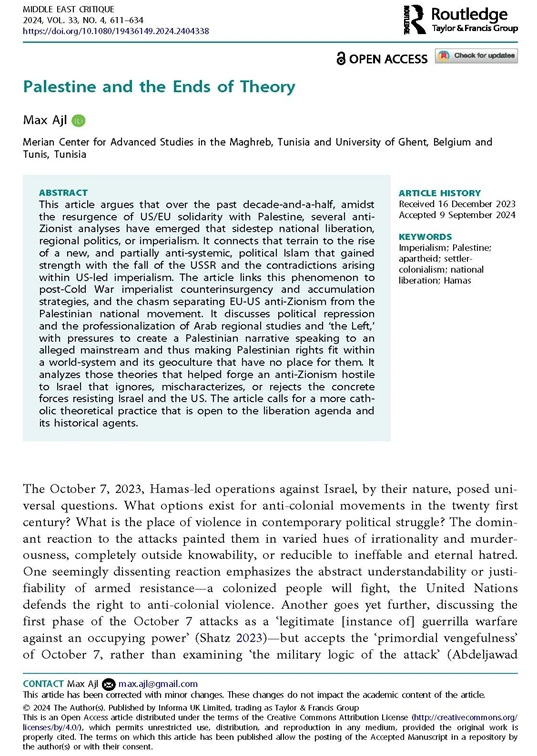
Palestine and the Ends of Theory
MECAM long term fellow Max Ajl has published a paper entitled “Palestine and the Ends of Theory” in Taylor and Francis.The article examines how anti-Zionist theories in the past 15 years have sidelined national liberation and regional politics. It critiques the disconnect between EU-US anti-Zionism and Palestinian resistance, shaped by post-Cold War imperial strategies and the professionalization of Arab studies. The article calls for inclusive theoretical approaches aligned with the Palestinian liberation agenda.
For more details, Check the artcile [Link].
State-society relations and industrial sustainable growth: The case of post-Revolution Tunisia
Mohamed Ismail Sabry, currently a fellow at the Merian Centre for Advanced Studies in the Maghreb (MECAM), has published a paper entitled “State-society relations and industrial sustainable growth: The case of post-Revolution Tunisia” in Wiley Journals.
The paper examines the impact of state-society relations (SSR) on sustainable economic growth in Tunisia’s industrial sector after the 2011 Revolution. It identifies state capture as a defining feature, showing how the dominance of tycoons, weakened state institutions, and fragmented social actors have undermined environmental regulations and hindered the adoption of Green technologies. Drawing on fieldwork interviews and civil society data, the study highlights systemic challenges in key sectors such as textiles and phosphates, providing insights into the interplay between governance, economic structures, and sustainability.
For more details, Check the artcile [Link].
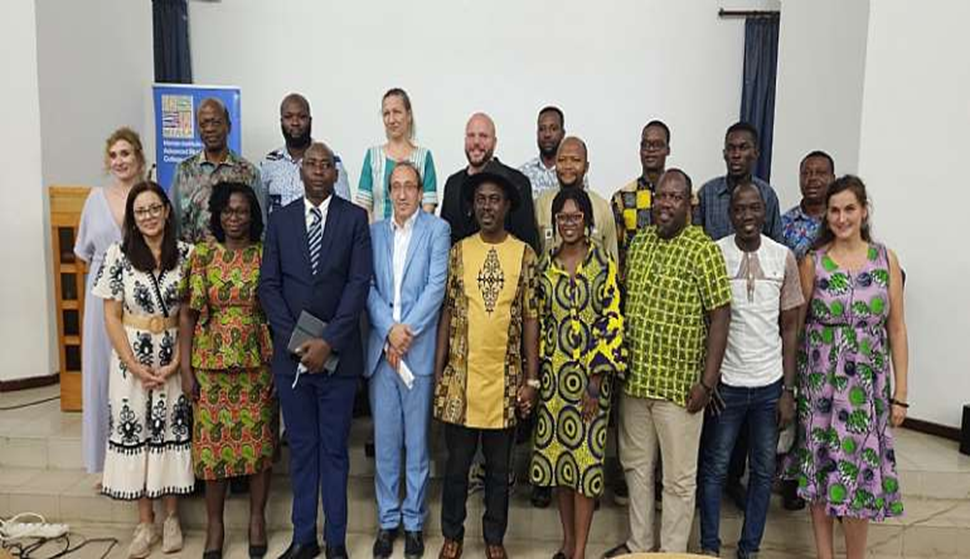
New Mini-Series Launch: Academic Freedom, Research Ethics & Knowledge Production
As part of the ongoing bilateral collaboration between the Merian Centre for Advanced Studies in the Maghreb (MECAM) and the Merian Institute for Advanced Studies in Africa (MIASA) on the theme of “Academic Freedom,” we were honoured to host a roundtable during the Wissenschaftsjahr 2024 in Accra (the German year of Science 2024 : Freedom). The event, titled “Academic Freedom and Research Ethics: Dynamics in Ghana, Tunisia, and Germany,” fostered enriching discussions among scholars from diverse backgrounds.
We are now thrilled to announce the launch of a five-part mini-series on the TRAFO – Blog for Transregional Research, exploring the critical intersection of academic freedom, research ethics, and knowledge production. This series aims to spark intellectual exchange through a variety of formats, including research articles, reports, lectures, and essays.
The first article of the series is already available on Trafoblog, “Decolonizing Academia at MIASA and MECAM: Academic Freedom and Research Ethics in Dialogue”. It is written by Dr. Julius Dihstelhoff (MECAM Academic Coordinator), and Dr. Agnes Schneider-Musah (MIASA Academic Coordinator). The article offers reflections from scholars who participated in the roundtable on “Academic Freedom and Research Ethics: Dynamics in Ghana, Tunisia, and Germany.”
For more details, Check the artcile [Link].
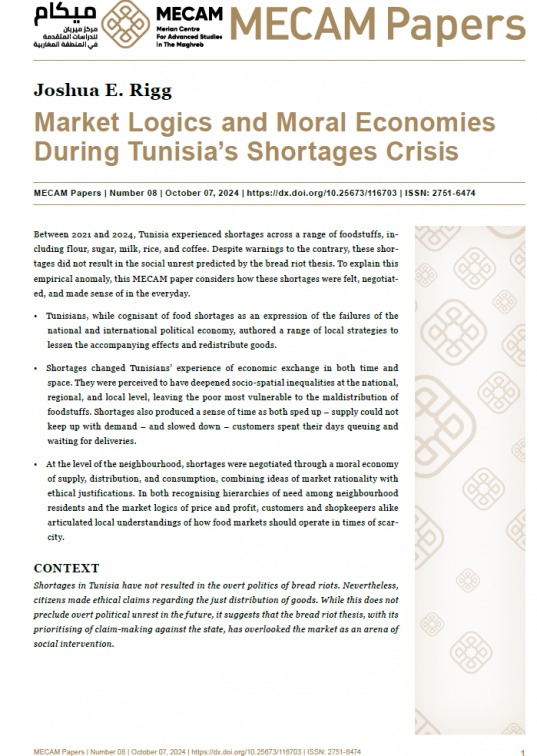
Market Logics and Moral Economies during Tunisia’s Shortages Crisis
The latest issue of the MECAM Papers series is entitled Market Logics and Moral Economies during Tunisia’s Shortages Crisis. This edition is written by MECAM Alumni fellow Joshua Rigg.
Between 2021 and 2024, Tunisia experienced widespread food shortages in staples like flour, sugar, and milk. Although these shortages could have triggered protests as anticipated by the “bread riot thesis,” Tunisians instead developed practical, community-centred strategies to cope. The shortages intensified economic inequalities, particularly affecting lower-income areas where residents often waited in long lines for scarce goods.
At the neighbourhood level, people relied on an informal “moral economy” that merged economic needs with ethical concerns, recognizing and addressing local hierarchies of need. By focusing on fair distribution within their communities, citizens challenged traditional ideas that state intervention is the only response to scarcity, suggesting that the market itself is a significant space for social advocacy.
For more details, Check the MECAM Paper No 8
The Draft Constitution of the French Federation of the FLN (May 1962): another form of Algerian independence
MECAM long-term Fellow Massensen Cherbi just published an article in Revue des mondes musulmans et de la Méditerranée. The article is titled: ‘The Draft Constitution of the French Federation of the FLN (May 1962): another form of Algerian independence’
Overview: On the occasion of the sixtieth anniversary of the first Constitution of independent Algeria (September 1963), a study of the Draft Constitution of the French Federation of the FLN (May 1962) offers a new perspective, both on the history of the Federation and that of Algerian political and constitutional thought. The Constitution is notable for the place it accords to women, who are the true equals of men even in matters of inheritance, within a legal framework marked by the “separation of religion and state.” Against an ossified understanding of a past identity, it calls for an “authentic national culture,” indicating an understanding of culture that is open and “developing”. This project also contrasts with the presidentialism and militarisation that have characterised Algerian politics since 1962, by favouring a collegiate executive, while subordinating the army “to the civilian power designated by the people.” Far from being a pastiche, this project is rooted in the history of the Fédération de France and issues specific to Algeria.
For more details, Check the article [Link].
China’s Influence on Arab Development Models: an interview with MECAM fellow Max Ajl
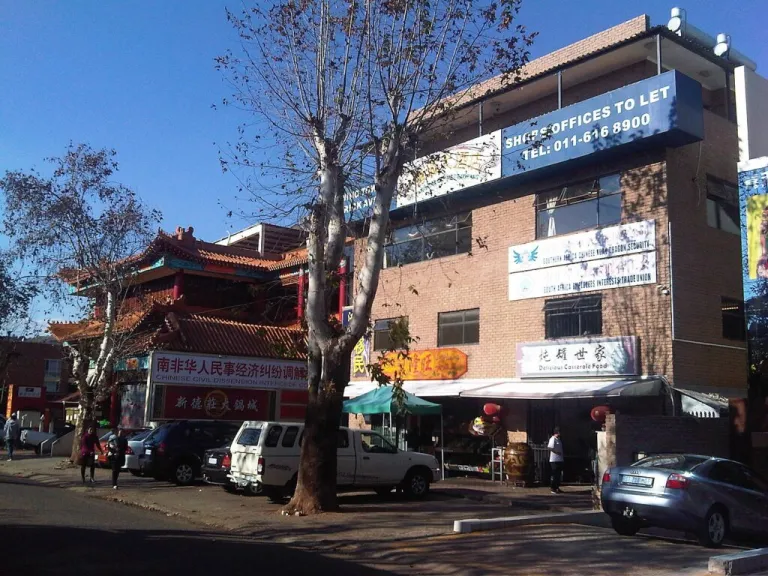
Max Ajl, a long-term fellow at the Merian Centre for Advanced Studies in the Maghreb (MECAM) shares his expertise on the impact of China’s agrarian reform on Arab countries in a recent interview with the Review of African Political Economy (ROAPE). In his interview, Max Ajl discusses his research on the influence of China’s agrarian reform on Arab countries, particularly Tunisia, highlighting how China’s experience with an alternative development path resonated with local conditions and inspired Tunisian intellectuals and planners.
For more details, Check the interview [Link].
State infrastructural power in a neopatrimonialist democratization context: Why Tunisian sustainable land management fails
MECAM alumni fellow Andreas Thiel issued an article titled ‘State infrastructural power in a neopatrimonialist democratization context: Why Tunisian sustainable land management fails’.
The article is published in Review of Policy Research (RPR) and features contribution from Nora Schütze, Annabelle Buhrow, and Ayoub Fouzai.
Sustaining agricultural production in arid and semi-arid regions is crucial for food security, geo-political independence, and social stability. This article explores the role of the state and its policies in soil protection in Tunisia’s rainfed agriculture. It also examines the Tunisian state’s role in natural resource protection during democratization, contributing to the understanding of policy implementation in transitioning countries. Using qualitative methods, the article highlights the state’s weak role in soil protection due to subnational variation, state capabilities, and a worsening fiscal crisis. Neopatrimonial traits in the state contribute to rural discrimination, marginalization of farmers, and hinder sustainable land management. Combined with institutional uncertainty, these factors weaken administrative capacities.
For more details, see the article [Link].
Reimagining the Maghreb: Navigating an Autonomous Region in Motion
The shortened issue of the MECAM latest Papers series, Reimagining the Maghreb: Navigating an Autonomous Region in Motion, is now on Trafo blog. This edition features a joint contribution from Dr. Julius Dihstelhoff, Prof. Dr. Rachid Ouaissa, and Prof. Dr. Thomas Richter.
TRAFO – Blog for Transregional Research is a platform for scholars in the humanities and social sciences who are interested in transregional exchange and research on current issues. TRAFO is the blog of the Forum Transregionale Studien (Berlin) and the Max Weber Stiftung – Deutsche Geisteswissenschaftliche Institute im Ausland (Bonn).
Based on its guiding theme “Imagining Futures – Dealing with Disparity” MECAM aims to play a notable role in advancing both current and future knowledge production in the Humanities and Social Sciences within, from, and about the Maghreb. The Maghreb has historically faced internal tensions and external complexities that are vital for understanding its contemporary transformations. Despite distinct histories, Maghrebi countries share commonalities such as language, religion, and historical experiences. Since the Arab Uprisings of 2010-2011, they have grappled with challenges including economic transitions, authoritarianism, and identity crises. Key trajectories in Algeria, Morocco, and Tunisia post-uprisings include social and political reforms, economic difficulties, aspirations for unity, and geopolitical concerns. This evolving landscape is reflected in a shift towards more critical academic discourse that embraces diverse perspectives and challenges Western-centric views while advocating for epistemic justice.
For more details, see the article [Link].
Africa and the Nature of the Ottoman Empire: Challenging the Inertia of Eurocentrism
Nora Lafi, Alumni Fellow of the Merian Centre for Advanced Studies in the Maghreb (MECAM) (2023-2026) just published a paper entitled “Africa and the Nature of the Ottoman Empire: Challenging the Inertia of Eurocentrism” in Eurasian Studies, 21(2), 276-302. https://doi.org/10.1163/24685623-20230156
The paper is part of a thematic issue on “The Ottoman Africa and the Ottomans in Africa”. Dr. Lafi’s publication discusses existing narratives on the relationship between the Ottoman Empire and the African continent and contributes to the elaboration of alternative interpretations, that insist both on the crucial role of the Ottoman provinces of Africa in the definition of the very nature of the Empire and on the depth of the links between the Ottoman realm and the core of the African continent.
For more details, see the article [Link].

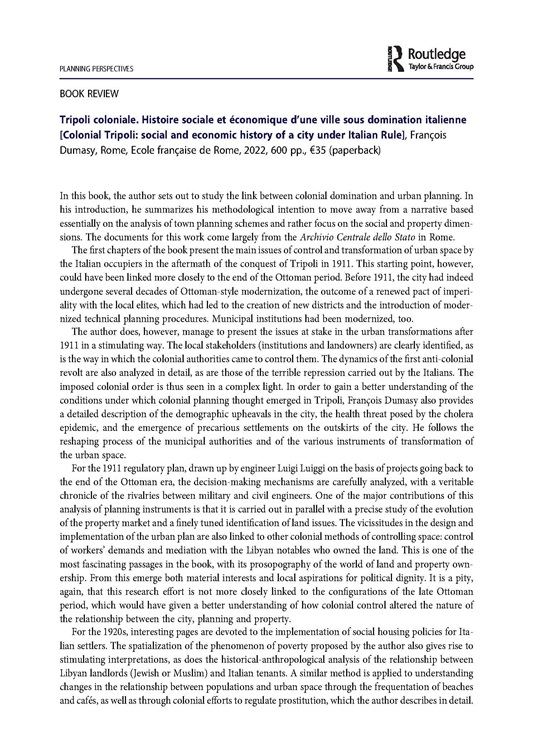
Book review: Tripoli coloniale. Histoire sociale et économique d’une ville sous domination italienne [Colonial Tripoli: social and economic history of a city under Italian Rule]
Nora Lafi, Fellow of the Merian Centre for Advanced Studies in the Maghreb (MECAM) (2023-2026) as just published an article entitled “Book review: Tripoli coloniale. Histoire sociale et économique d’une ville sous domination italienne [Colonial Tripoli: social and economic history of a city under Italian Rule]“ in Planning Perspectives. Doi: 10.1080/02665433.2024.2343248
This article reviews François Dumasy’s book entitled “Tripoli coloniale. Histoire sociale et économique d’une ville sous domination italienne”. The book was published in 2022 by the Ecole Français de Rome. “Tripoli colonial” offers new perspectives on the interpretation of the relationship between urban space and colonial power.
For more details, see the article [Link].
To download the full article: [Download].
The 2020 Revision of the Algerian Constitution and the Ḥirāk: Returning to Constitutional Order after the Institutional Disorders of 2019
Massensen Cherbi, long-term Fellow of the Merian Centre for Advanced Studies in the Maghreb (MECAM) (2023-2026) as just published an article entitled “The 2020 Revision of the Algerian Constitution and the Ḥirāk: Returning to Constitutional Order after the Institutional Disorders of 2019“ in the Arab Law Quarterly. Doi:10.1163/15730255-bja10152
The revision of the Algerian Constitution of 30 December 2020 presented the Constitutional response to the institutional roadblocks and incoherencies within the hierarchy of norms brought to light by the Ḥirāk in 2019. The procedure used to revise the Constitution — an initiative of President Abdelmadjid Tebboune, rather than the election of a Constituent Assembly — has largely predetermined its content. The Army’s mission is now to defend “the country’s vital and strategic interests”(Article 30, para. 4), providing the retrospective legitimisation of its 2019 intervention to drive President Abdelaziz Bouteflika to step down. Furthermore, the amended Constitution makes it possible to pass legislation restricting fundamental rights and freedoms “for reasons linked to maintaining public order, security, and the protection of national constants” (Article 34, para. 2). This provision paves the way for the validation of oppressive laws applied or announced since 2019 with the aim of ending the Ḥirāk. This article argues that the Algerian Constitution no longer merely outlines a constitutionally ultra-Presidentialist regime, largely inherited from the 1976 Constitution, but an ultra-Presidentialist regime that is now also de jure militarised.
For more details, access the full article: [Link ], [ Link].
Public–private wage differentials in Tunisia
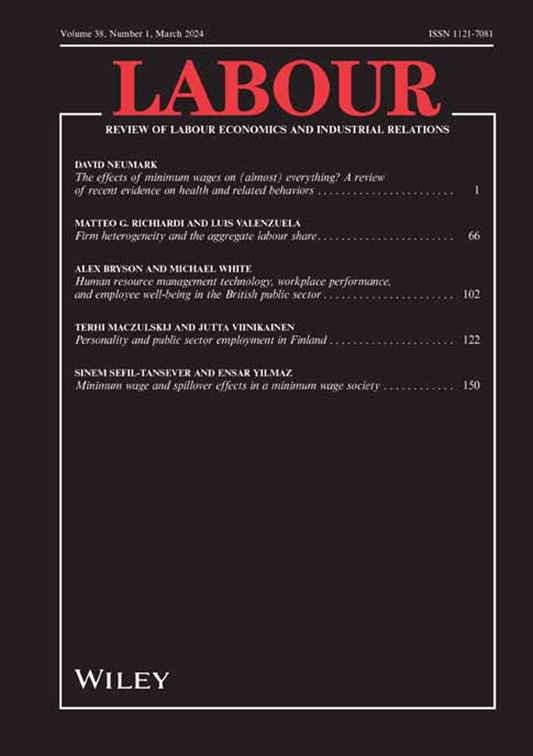
Amara, M., Khallouli, W. & Zidi, F. (2024) Public–private wage differentials in Tunisia: Consistency and decomposition. LABOUR, 1–36.
Mohamed Amara, fellow at the Merian Centre for Advanced Studies in the Maghreb (MECAM), along with co-authors Wajih Khallouli and Faicel Zidi, presents a comprehensive analysis on public–private wage disparities in urban Tunisia. Their study, featured in LABOUR, scrutinizes the intricate factors contributing to these discrepancies, shedding light on the impact of education, gender, and skill levels.
For an in-depth exploration of their findings, access the full article here: Link
For more details, access the full article: [Download].
Alternative targeting methods for social assistance programs
Nasri, K., Amara, M., & Helmi, I. (2024). Alternative targeting methods for social assistance programs: Evidence from Tunisia. Social Policy & Administration, 1–24.
Mohamed Amara, a fellow at the Merian Centre for Advanced Studies on the Maghreb, along with Khaled Nasri and Imène Helmi, presents a comprehensive analysis of social assistance programs in Tunisia, highlighting the crucial importance of these programs in combating poverty, reducing inequalities, and addressing social exclusion. Their study, published in Social Policy & Administration, examines two approaches to targeting beneficiaries of these programs, including cash transfers and healthcare programs. For a detailed exploration of their findings, access the full article here: Link
For more details, access the full article: [Download].
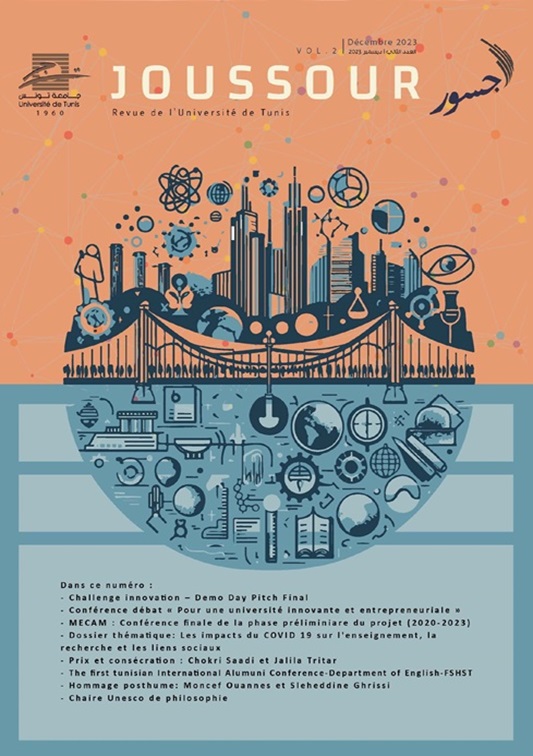
MECAM: Milestones and Measures – New Articles in the second issue of the University of Tunis’ journal “Joussour”
Dr. Julius Dihstelhoff, Merian Centre for Advanced Studies in the Maghreb (MECAM): Final conference of the preliminary phase of the project (2020-2023) in Tunis & approval of the main phase of the project (2023-2029), in Joussour, Revue de l’Université de Tunis, Vol 2, March 2024, 22-24.
Dr. Diana Abbani, Face aux défis de la pandémie de COVID-19 : Les mesures prises par le MECAM pour lancer et maintenir la continuité de ses activités, in Joussour, Revue de l’Université de Tunis, Vol 2, Mars 2024, 39-42.
MECAM is pleased to announce the publication of two articles titled “Merian Centre for Advanced Studies in the Maghreb (MECAM) : Conférence finale de la phase préliminaire du projet (2020-2023) à Tunis & l’approbation de la phase principale du projet (2023-2029),” authored by MECAM’s Academic Coordinator Dr. Julius Dihstelhoff, and “Face aux défis de la pandémie de COVID-19 : Les mesures prises par le MECAM pour lancer et maintenir la continuité de ses activités,” written by MECAM’s Science Communication Coordinator Dr. Diana Abbani, in the second issue of the University of Tunis’ journal “Joussour.”
- Julius Dihstelhoff’s article summarizes the final conference of MECAM’s preliminary project phase in Tunis and the approval of its main phase. The conference, “Imagining Futures – Dealing with Disparity,” gathered 70 researchers to discuss inequalities and future visions. MECAM concluded its preliminary phase successfully and secured funding for another six years. It aims to be a hub for intellectual exchange, showcasing pioneering research in the Maghreb’s humanities and social sciences internationally.
- Diana Abbani’s article summarizes MECAM’s response to the COVID-19 pandemic, emphasizing efforts to maintain activities despite challenges. Adaptations to fellowship programs and scientific events were made to comply with restrictions, with essential collaboration with the Forum Transregionale Studien. Despite obstacles, MECAM remained flexible and committed to its objectives, sparking critical debates on health protocols and knowledge production.
For more details, download the full edition: Link
Power-Sharing Processes in Post-Arab Spring Tunisia: From Elite Compromise to Presidential Monopolization
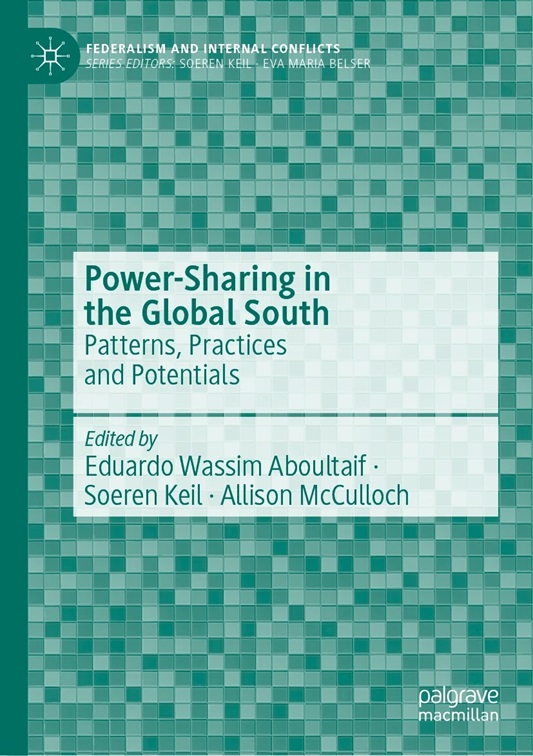
Julius Dihstelhoff and Moritz Simon, Power-Sharing Processes in Post-Arab Spring Tunisia: From Elite Compromise to Presidential Monopolization, in Power-Sharing in the Global South, Palgrave Macmillan, pp. 85–120, 2024.
Julius Dihstelhoff, academic coordinator at the Merian Centre for Advanced Studies in the Maghreb (MECAM), and Moritz Simon contributed a chapter entitled “Power-Sharing Processes in Post-Arab Spring Tunisia: From Elite Compromise to Presidential Monopolization” to the recently published volume “Power-Sharing in the Global South” edited by Eduardo Wassim Aboultaif, Soeren Keil and Allison McCulloch.
In the context of the so-called Arab Spring, Tunisia is the only Arab country to have undergone a formal democratic transition since 2010/2011. Such consolidation can be traced back to an elite compromise (Itifaq al nukhba). This specific and initially persistent format of power-sharing was characterized by personal negotiation processes. This practice took place—within and outside—an institutional superstructure that, amid a multitude of sociopolitical and economic challenges, corresponded at least formally to an institutional democracy. Since 2018, a decline of the elite compromise could be observed, culminating in the abolition of the power-sharing arrangement in favor of a presidential monopolization of power. Using sociohistorical reflection, this chapter will provide an overview of the characteristics of the Tunisian format of power-sharing in a three-step process, thus analyzing (1) the creation, (2) the functional implementation and adaptation in terms of institutional constitutionality, and (3) the decline and dissolution of the power-sharing process and system.
For more details, read the full analysis: Link
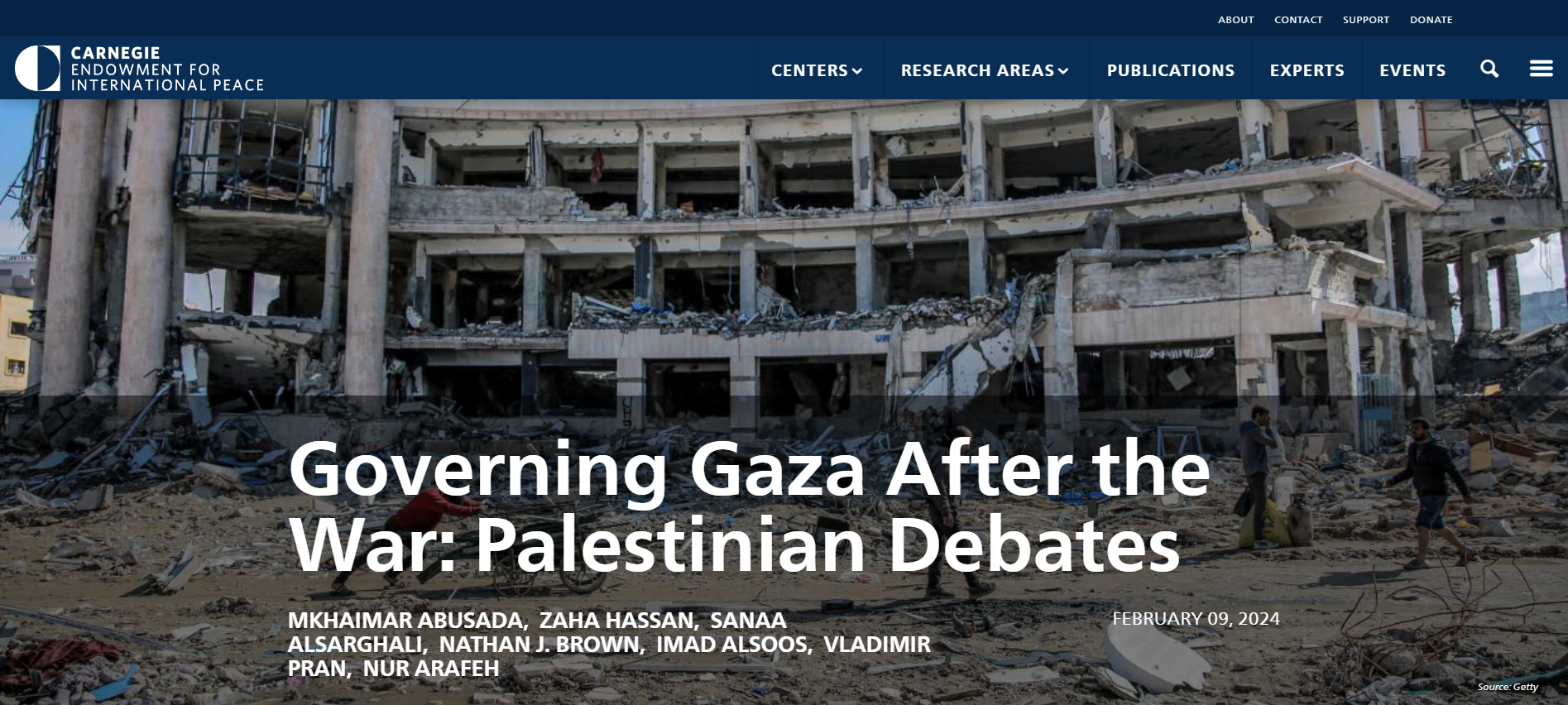
Gazan perspectives on Hamas and the day after
Imad Alsoos, Gazan perspectives on Hamas and the day after, in Governing Gaza After the War: Palestinian Debates, Carnegie Endowment for International Peace, 09.02.2024.
Imad Alsoos, Fellow at the Merian Centre for Advanced Studies in the Maghreb (MECAM) just published an analysis entitled “Gazan perspectives on Hamas and the day after”, in Carnegie Endowment for International Peace, in the second part of the Middle East Program’s series on postwar governance in Gaza “Governing Gaza After the War: Palestinian Debates”.
For more details, read the full analysis: Link
Development at Work: Postcolonial Imaginaries, Global Capitalism, and Everyday Life at a Factory in Tunisia
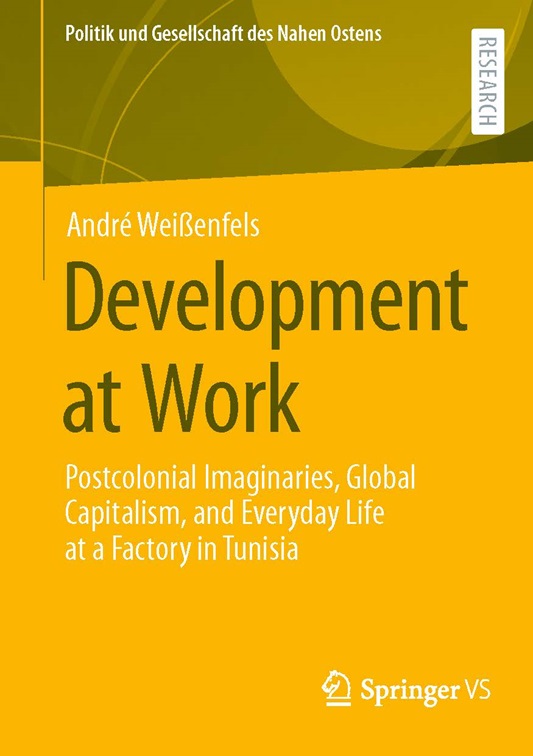
André Weißenfels, Development at Work: Postcolonial Imaginaries, Global Capitalism, and Everyday Life at a Factory in Tunisia, Politik und Gesellschaft des Nahen Ostens (PGNO), Springer VS, 2024.
Nous sommes ravis d’annoncer la publication de la thèse de doctorat “Development at Work: Postcolonial Imaginaries, Global Capitalism, and Everyday Life at a Factory in Tunisia” du Dr. André Weißenfels, alumni du Interdisciplinary Fellowgroup II “Inégalité & Mobility” du MECAM.
Why did the postcolonial Tunisian state promise development? How do these promises reverberate in the hopes and dreams of Tunisians today? And how do they fit into contemporary global capitalist structures of exploitation? Starting from the everyday life at a French factory in Tunisia this book explores the relationship between the political economy of Tunisia, postcolonial promises of the Tunisian state and the hopes and dreams of Tunisians working in the factory. It argues for taking the concept of development seriously not as a desirable policy goal but as a multi-dimensional social and political fact: as the unfolding of global capitalism, as a postcolonial nation-state project, and as a personal everyday imaginary. The book employs a longue durée perspective that analyzes contemporary desires and expectations while tracing and placing them inside Tunisia’s history. It thus contributes to our understanding of state-society relations and global capitalism in Tunisia.
For more details: Link
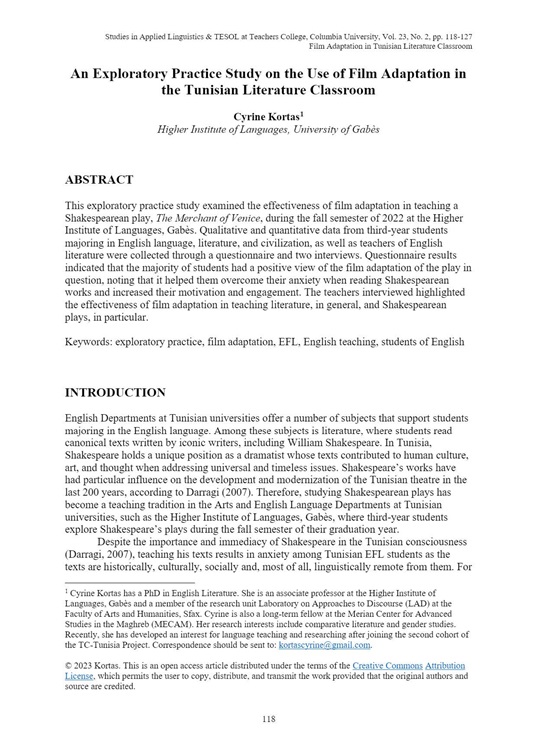
An Exploratory Practice Study on the Use of Film Adaptation in the Tunisian Literature Classroom
Cyrine Kortas, An Exploratory Practice Study on the Use of Film Adaptation in the Tunisian Literature Classroom, in Studies in Applied Linguistics & TESOL at Teachers College, Columbia University, Vol. 23, No. 2, pp. 118-127.
Cyrine Kortas, long-term Fellow of the Merian Centre for Advanced Studies in the Maghreb (MECAM) (2023-2026) as just published an article entitled “An Exploratory Practice Study on the Use of Film Adaptation in the Tunisian Literature Classroom”, in Studies in Applied Linguistics & TESOL at Teachers College, Columbia University.
This exploratory practice study examined the effectiveness of film adaptation in teachinga Shakespearean play, The Merchant of Venice, during the fall semester of 2022 at the Higher Institute of Languages, Gabès. Qualitative and quantitative data from third-year students majoring in English language, literature, and civilization, as well as teachers of English literature were collected through a questionnaire and two interviews. Questionnaire results indicated that the majority of students had a positive view of the film adaptation of the play in question, noting that it helped them overcome their anxiety when reading Shakespearean works and increased their motivation and engagement. The teachers interviewedhighlighted the effectiveness of film adaptation in teaching literature,in general,and Shakespearean plays,in particular. Link
Les mécanismes législatifs de l’autoritarisme algérien face au hirak : entre répression de la mobilisation et prévention de toute organisation du mouvement
Massensen Cherbi, « Les mécanismes législatifs de l’autoritarisme algérien face au hirak : entre répression de la mobilisation et prévention de toute organisation du mouvement », L’Année du Maghreb [En ligne], 30 | 2023, mis en ligne le 22 décembre 2023, consulté le 24 décembre 2023. URL :http://journals.openedition.org/anneemaghreb/12193
Massensen Cherbi, long-term Fellow of the Merian Centre for Advanced Studies in the Maghreb (MECAM) (2023-2026) has just published an article entitled « Les mécanismes législatifs de l’autoritarisme algérien face au hirak : entre répression de la mobilisation et prévention de toute organisation du mouvement » in L’Année du Maghreb 30 | 2023 in the file « L’ordre et la force » under the section « Enjeux et débats : Algérie ».
Since June 2019, the Algerian hirak has been subjected to a judicial crackdown that has put an end to its public action since May-June 2021. To repress the mobilization of this peaceful “Movement” and prevent its structuration, the authorities already had at their disposal a wide range of repressive provisions restricting rights and freedoms – a legacy of the colonial era, the single party, the Black Decade and the containment of the Arab Springs. To respond to the specificities of the hirak, this arsenal was reinforced, as soon the confinement that followed the outbreak of the Covid-19 pandemic was announced, with the promulgation of new laws targeting “passive solidarity crime” and discourse of hatred or “fake news”. In addition, Ordinance No. 21-08 of 8 June 2021 more broadly and severely criminalized the demands of the movement, extending the qualification of terrorist act and sabotage to the fact of “striving or inciting, by any means, to access power or change the system of governance by non-constitutional means” (Penal Code, art. 87 bis, para. 14).
For more information and to download :
- Rubrique – Enjeux et débats : Les mécanismes législatifs de l’autoritarisme algérien face au hirak : entre répression de la mobilisation et prévention de toute organisation du mouvement – by Massensen Cherbi
- L’Année du Maghreb 30 | 2023: Dossier : L’ordre et la force – Police, sécurité et surveillance au Nord de l’Afrique
Kais Saied’s reconfiguration of Tunisia’s political system: Hegemonic ambitions to no avail? – A critical approach
Julius Dihstelhoff et Mounir Mrad, « Kais Saied’s reconfiguration of Tunisia’s political system: Hegemonic ambitions to no avail? – A critical approach », L’Année du Maghreb [En ligne], 30 | 2023, mis en ligne le 27 novembre 2023, consulté le 23 décembre 2023. URL : http://journals.openedition.org/anneemaghreb/12223
Julius Dihstelhoff, MECAM’s Academic Coordinator, and Mounir Mrad, MECAM’s Programme Managern, have just published an article entitled « Kais Saied’s reconfiguration of Tunisia’s political system: Hegemonic ambitions to no avail? – A critical approach» in L’Année du Maghreb 30 | 2023 in the file « L’ordre et la force » under the section « Enjeux et débats : Tunisie ».
The present article scrutinizes Tunisia’s contemporary political syste